Learning Beyond the Classroom: The Value of Outdoor Education for Kids

For children, some of the most meaningful lessons happen beyond the walls of a classroom. A walk through the woods can become a science lesson, a handful of soil can spark questions about where our food comes from, and watching water move through a stream can help a child understand the importance of clean water and healthy watersheds. Outdoor education gives children the opportunity to learn by seeing, touching, exploring and asking questions about the world around them.
Spending time outdoors encourages curiosity, strengthens problem solving skills and helps children develop an appreciation for nature. It can also reduce stress, improve focus and support physical and social well being. Whether children are exploring a wooded trail, observing insects in a field or examining leaves that have fallen from trees, these experiences allow them to discover the natural world in ways that textbooks alone cannot provide.

Outdoor learning also helps children recognize how closely connected our natural resources are. Soil, water, trees, wildlife and air all play important roles in maintaining healthy ecosystems. The soil supports the crops that feed us, trees provide shelter for wildlife and help protect water quality, and pollinators contribute to the growth of many plants and food crops. Understanding these connections at a young age helps children recognize why protecting natural resources matters to their families, communities and future generations.
When young people understand where their food, water and other resources come from, they are better prepared to appreciate the importance of conservation. Early experiences in nature can help build lasting habits and encourage children to become responsible environmental stewards as adults. Providing opportunities for children to explore and learn about their surroundings is one way communities can invest in a healthier environment for the future.
For organizations such as the Ashland County Soil and Water Conservation District, outdoor education is an important part of helping young people develop an understanding of conservation and the role it plays in everyday life. A walk through a forest, for example, can teach children how tree roots help hold soil in place and reduce erosion. They can learn how trees provide habitat for wildlife, contribute to healthy ecosystems and help protect water resources.
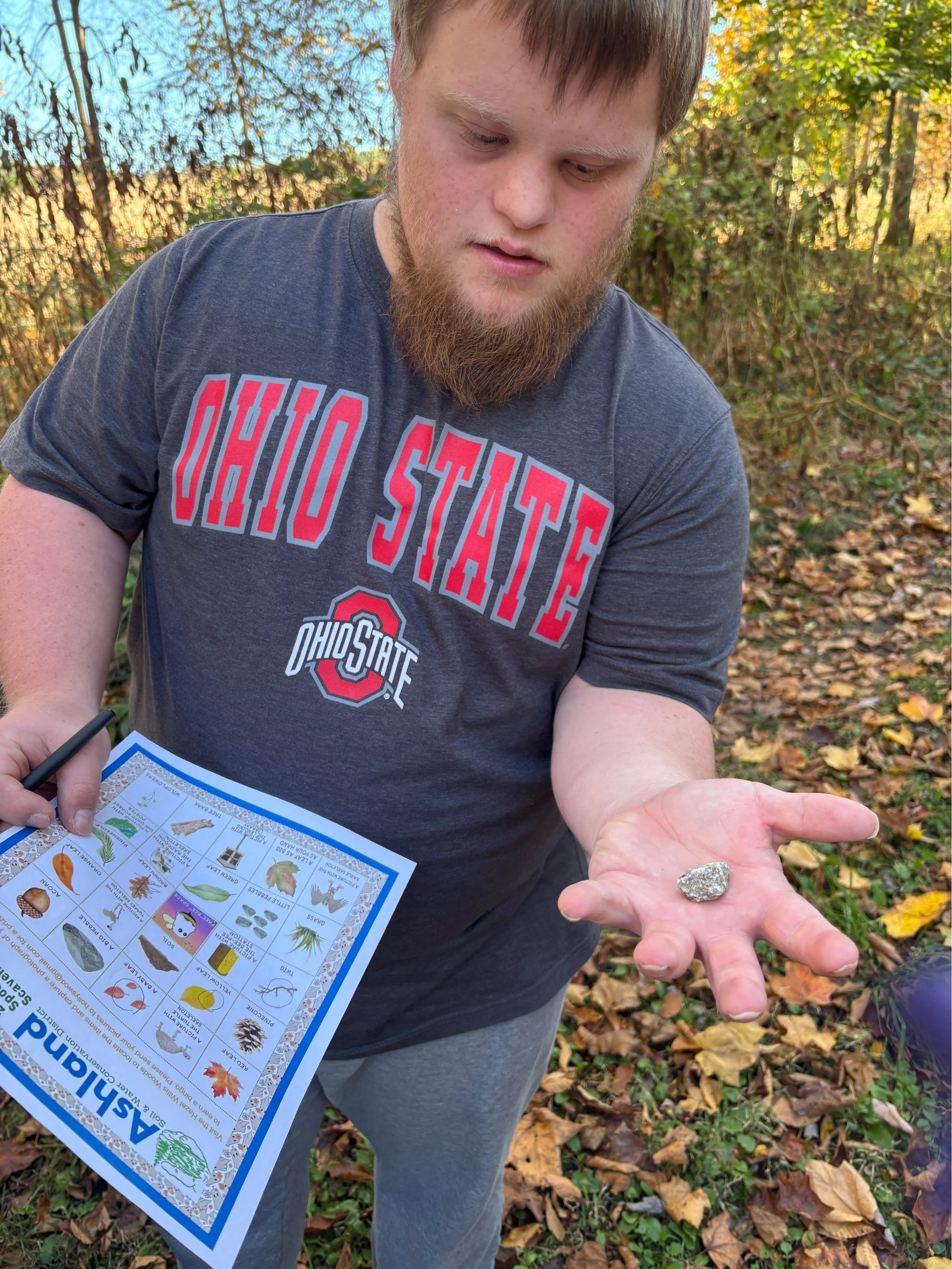
Children can also discover that soil is much more than simply “dirt.” Healthy soil contains the nutrients and living organisms that support plant growth, sustain agriculture and contribute to clean water. Learning how soil forms, how it can be damaged and how it can be protected helps students better understand the importance of conservation practices used by farmers, landowners and communities throughout Ashland County.
The Ashland County Soil and Water Conservation District offers a variety of outdoor learning opportunities both inside and outside the classroom. Lessons cover a wide range of environmental topics, including soil health, water quality testing, native and invasive plants, pollinators and wildlife history. These activities encourage students to ask questions, make observations and connect what they learn to the environment around them.
The district also hosts monthly Conservation Chats. These programs feature industry experts who share their knowledge on a variety of conservation and natural resource topics throughout the year. Events are held at several locations across the county, giving residents opportunities to learn more about the environment and discover practical ways to support conservation in their own communities.
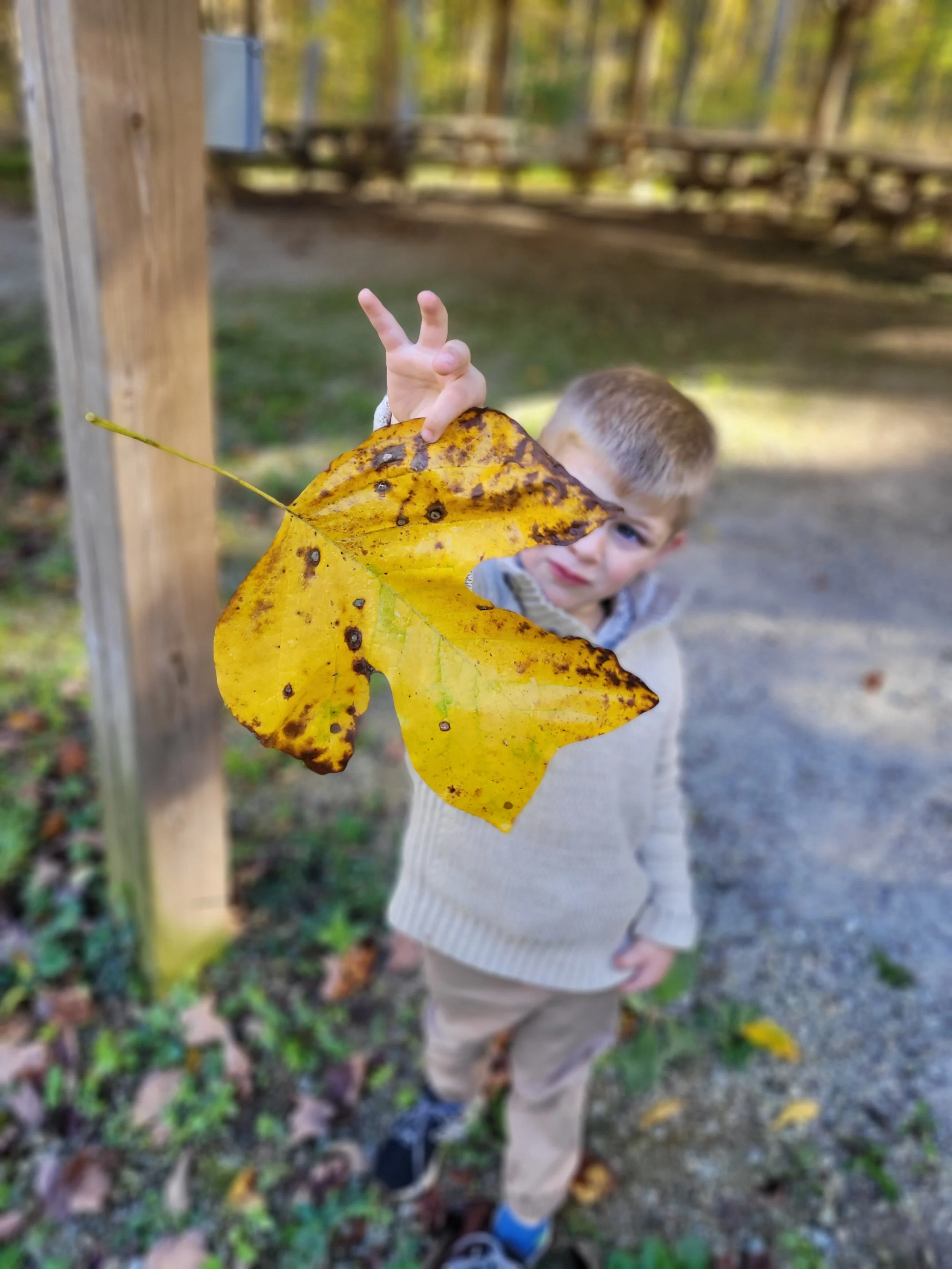
One fun way local families can experience outdoor learning this fall is through the October Conservation Chat, “Not So Spooky Forest,” at the district’s outdoor educational laboratory, Hazel Willis Woods.
The 40-acre property was donated to the district in 1980 by Walter Willis and is located at 1155 Township Road 2156 in Ashland, Ohio. The woods provide a natural setting where visitors can explore, observe their surroundings and experience the value of outdoor education firsthand.
From Oct. 1 through Oct. 31, families are invited to visit Hazel Willis Woods and participate in a kid-friendly, Halloween-themed scavenger hunt. Several themed stops are located along the trail, offering children a fun reason to explore the woods while enjoying the sights and sounds of the outdoors. The seasonal activity combines the excitement of Halloween with an opportunity to spend time in nature and encourage children to look more closely at the world around them.
Registration is available online, and the activity costs $5 per child or $10 per family. Children who complete the scavenger hunt will receive a prize bag that includes a free tree seedling. The seedling can be picked up at the Ashland County Soil and Water Conservation District’s spring tree sale in April, providing families with another opportunity to connect with conservation by planting a tree of their own.
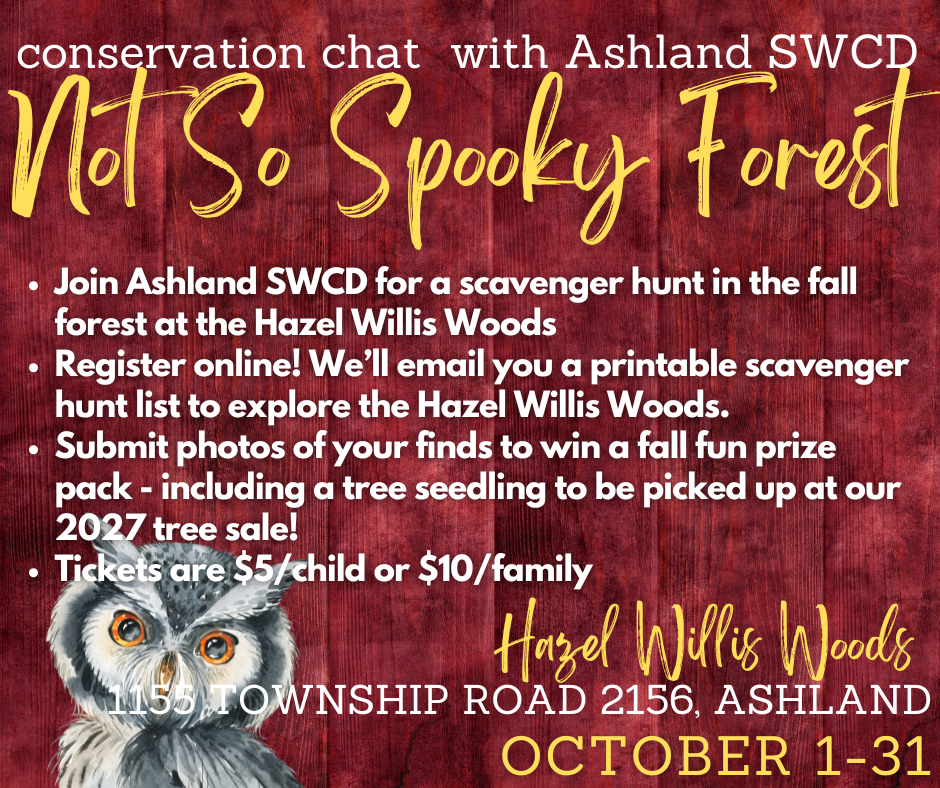

For registration, additional information about the “Not So Spooky Forest” or other conservation education opportunities, contact Liz Golias at the Ashland County Soil and Water Conservation District at (419) 281-7645.