Ground Rules for H2Ohio 2026 & 2027

If you’ve ever tried to stretch a dollar, you already understand conservation.
At Ashland Soil and Water Conservation District, we spend a lot of time talking about stewardship — of soil, of water and, yes, of farm budgets. In 2026, H2Ohio cost-share opportunities continue to offer something farmers appreciate: practical conservation that pays.
Let’s start with good news for our currently enrolled H2Ohio producers. If you’re in the program, you’ll be able to extend your nutrient management contract into the 2027 crop year. Payment rates remain $10 per acre for implementation of a composite nutrient management plan or $15 per acre for those using grid or zone variable rate technology (VRT) or precision technology for their management plan. Plus, this year we’re adding a cover crop cost-share opportunity.
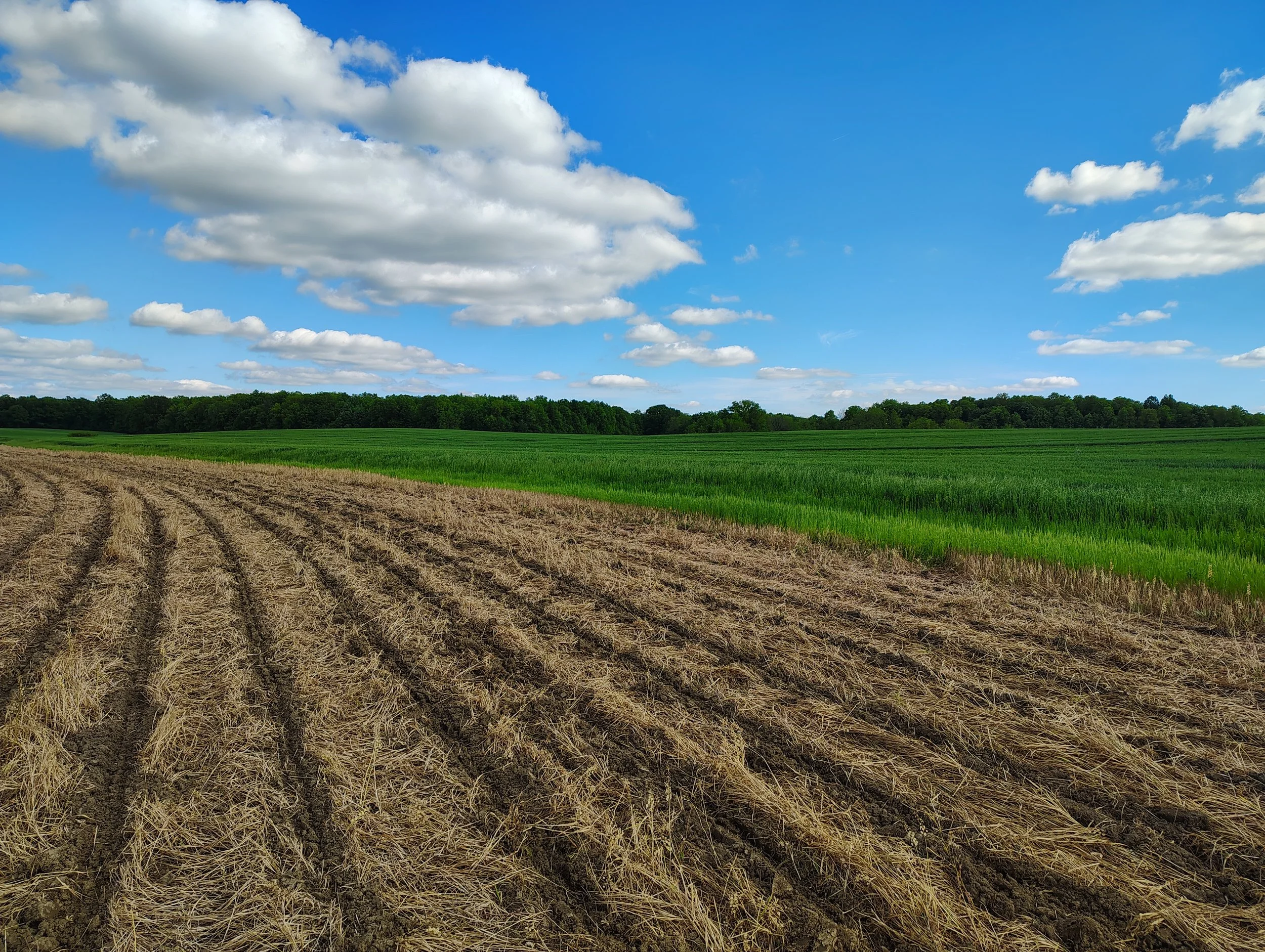
In other words, we’re still paying you to do what good managers already strive to do: put the right nutrients in the right place at the right rate at the right time. When nutrients are applied based on actual crop need rather than habit, everyone wins. Fields receive what they require to produce strong yields. Farmers reduce unnecessary input costs. And downstream, our creeks and lakes benefit from fewer nutrients leaving the field.
VRT takes that precision a step further. Instead of treating a 100-acre field like one uniform surface, grid or zone sampling recognizes variability. Some areas need more. Some need less. Paying $15 per acre for VRT acknowledges both the technology investment and the environmental benefit. It’s conservation that sharpens your return on investment while protecting water quality.

And then there are cover crops — the quiet overachievers of the conservation world. New for Ashland County, currently enrolled H2Ohio producers can also access $20 per acre in cost share for cover crops. If you’ve ever driven past a field this time of year and seen something green instead of bare soil, you’ve witnessed their work.
Cover crops reduce erosion by keeping soil anchored during those heavy spring rains that Ohio does so well. Their roots improve soil structure, helping water infiltrate rather than run off. They scavenge leftover nutrients, holding them in place until the next cash crop needs them. Over time, they build soil organic matter, improve tilth and, in many cases, help suppress weeds.

That’s not just good for water quality — it’s good for your bottom line. Healthier soil handles stress better, whether that’s too much rain or not enough. It can mean more consistent yields and reduced input costs over time. Conservation isn’t a line item expense; it’s a long-term investment strategy.
None of this works without farmers.
Producers are the daily stewards of thousands of acres in Ashland County. They manage risk, navigate markets, fix equipment in less-than-ideal weather and still find time to attend a soil and water meeting. The choices they make about fertilizer timing, cover crop species and application methods ripple far beyond field boundaries.
That’s why we are also looking ahead.
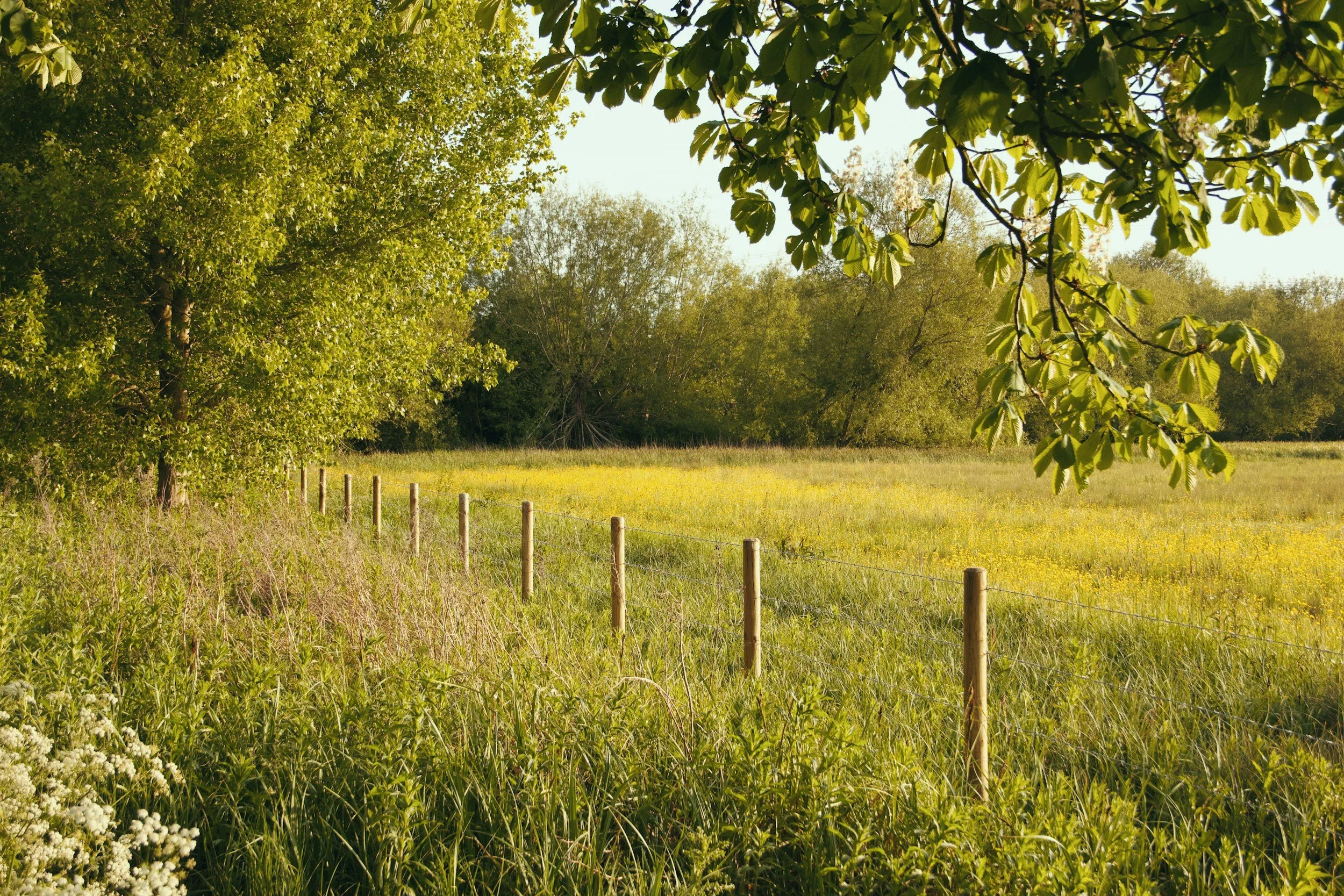
Ashland SWCD is currently developing a pilot program application to secure additional funding specifically for hay and grassland practices here in Ashland County. Hay and pasture acres play a significant role in our local landscape, yet cost-share opportunities for those systems have often been more limited than for row crops.
We’d like to change that. What practices and rates would help you better manage nutrients on hay and pasture ground? Split applications? Improved grazing management infrastructure? Frost seeding legumes to reduce nitrogen needs? Buffer enhancements along waterways? If you work with hay or livestock, your perspective matters.
But the best ideas rarely come from an office desk. They come from tailgate conversations, shop talk and farmers comparing notes about what works — and what doesn’t. That’s exactly why we’re inviting you to join us March 11 for Ashland SWCD’s Conservation Chat: Ground Rules at Freer Field.
This isn’t a lecture. It’s a conversation. We’ll talk about nutrient management, cover crops, hay and pasture opportunities and the realities of implementing conservation on working farms. We’ll answer questions about extending H2Ohio contracts into 2027 and what the paperwork actually entails. And we’ll listen.

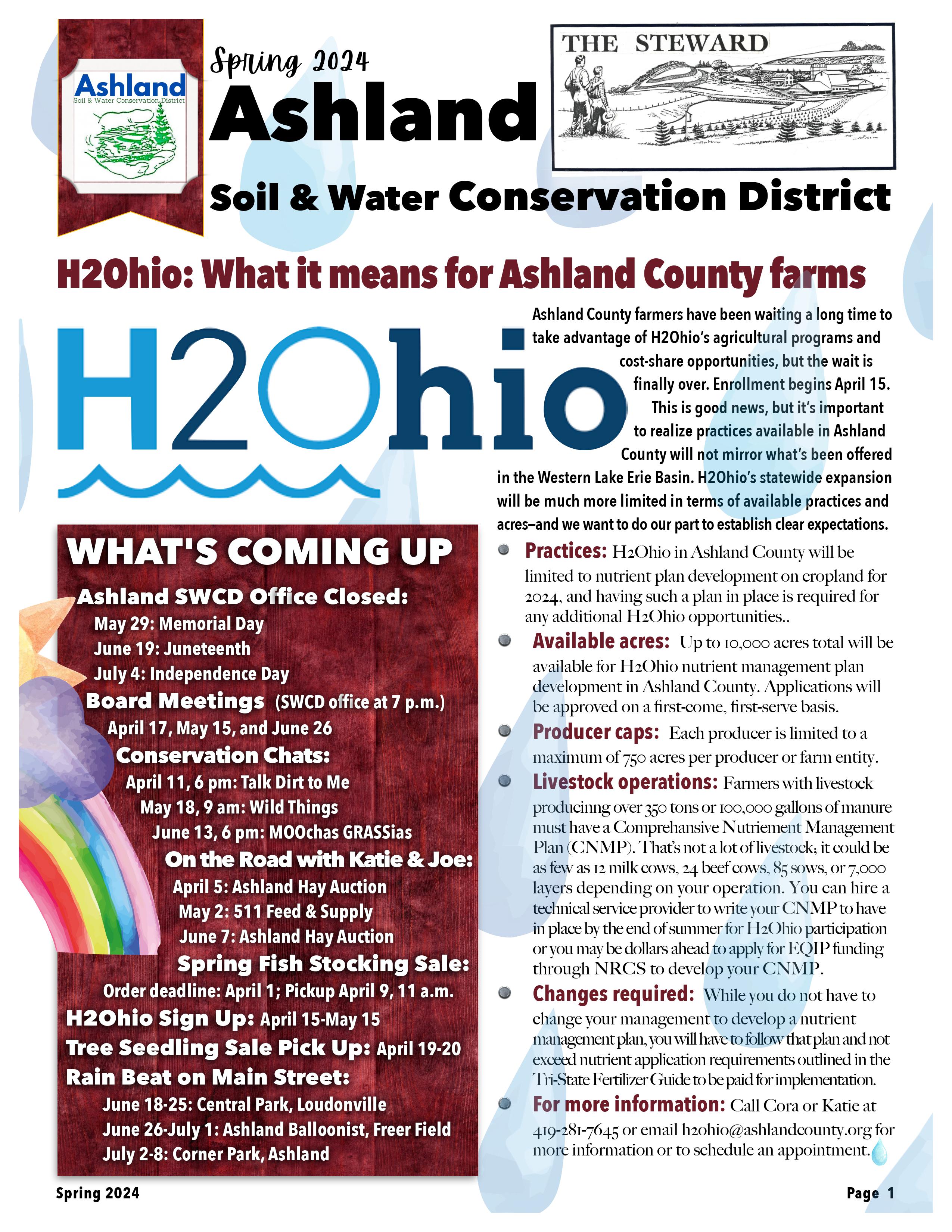
Pre-registration is required, but here’s the best part: it’s free when you bring a friend. (Conservation loves company.) You can register at groundrules.eventbrite.com or by calling Zoey Dudte, our water quality specialist, at 419-281-7645.
If you’ve ever wondered whether conservation programs pencil out, whether VRT is worth the effort or whether cover crops can fit into your rotation, this is your chance to dig in.
At the end of the day, conservation isn’t about checking a box. It’s about keeping Ashland County’s soil productive and its water clean for the next generation — and making sure today’s farmers remain profitable along the way.
That’s not just good stewardship. That’s good business.