H2Ohio Brings a Healthy Dose of Conservation Funding for Ashland County
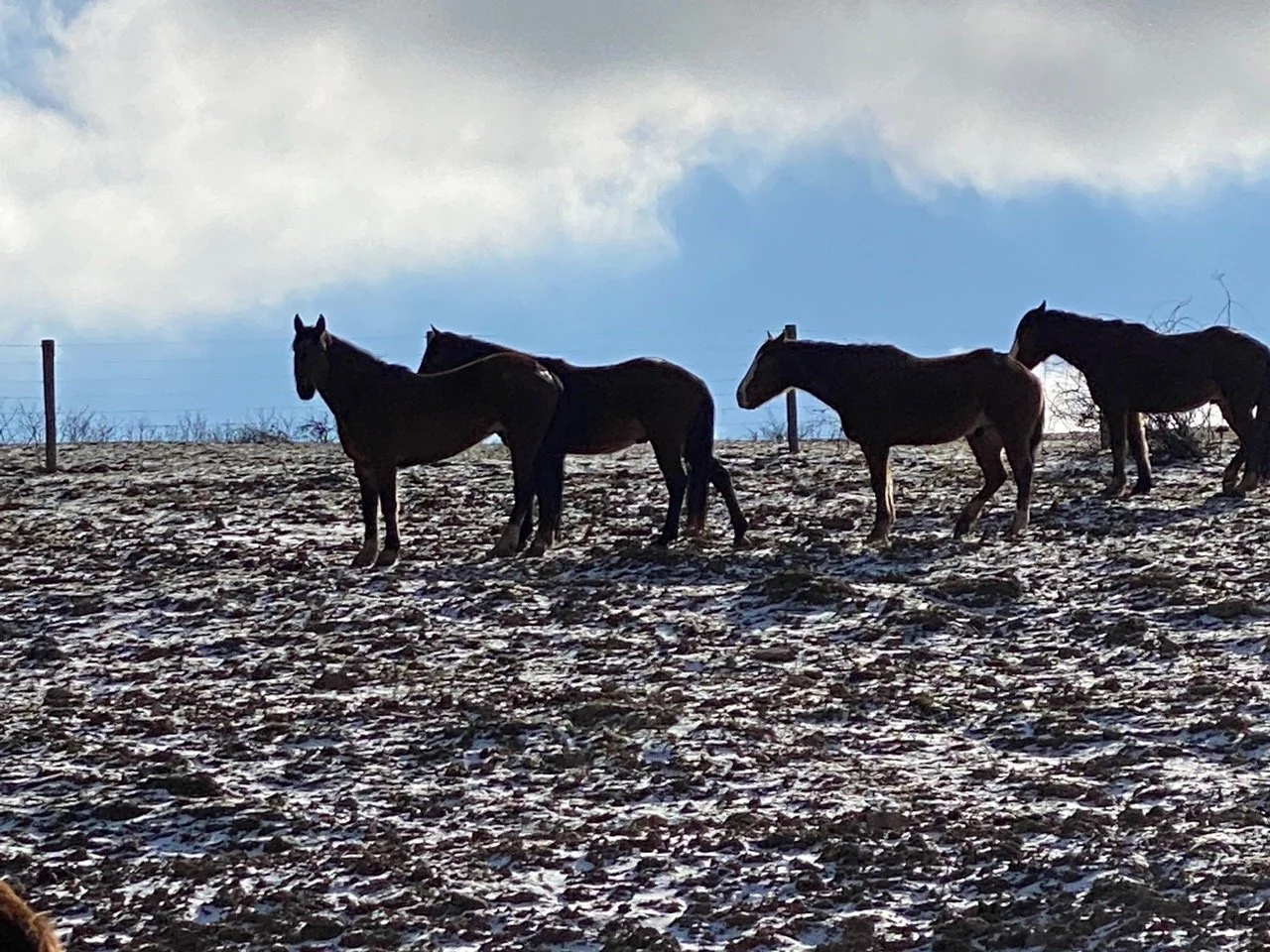
You’ve probably “herd” that the grass is always greener on the other side of the fence. But thanks to some exciting news from the Ohio Department of Agriculture, Ashland County livestock farmers may soon have some extra green in their pockets, too.
Governor Mike DeWine and ODA Director Brian Baldridge recently announced $1.8 million in new H2Ohio funding to support conservation practices on pasture and hayland across nine Ohio counties, and we're proud to share that Ashland Soil and Water Conservation District was selected to receive $250,000 to bring those conservation dollars right here to Ashland County. That's a quarter-million dollars dedicated to helping local livestock producers improve their operations while protecting the streams, rivers and watersheds we all share.
Our new Ashland SWCD H2Ohio Grazing Program grew out of a locally developed initiative we affectionately dubbed "Graze Anatomy” during the program’s development. The concept is simple: healthier pastures, healthier livestock and healthier waterways all go hand in hoof.
For years, H2Ohio’s agricultural conservation funding has largely focused on cropland practices. And while those programs have made tremendous strides in reducing nutrient runoff, Ashland County's rolling hills, pastures and hayfields deserve some attention, too. After all, our livestock producers are an important part of both our agricultural economy and our conservation efforts.
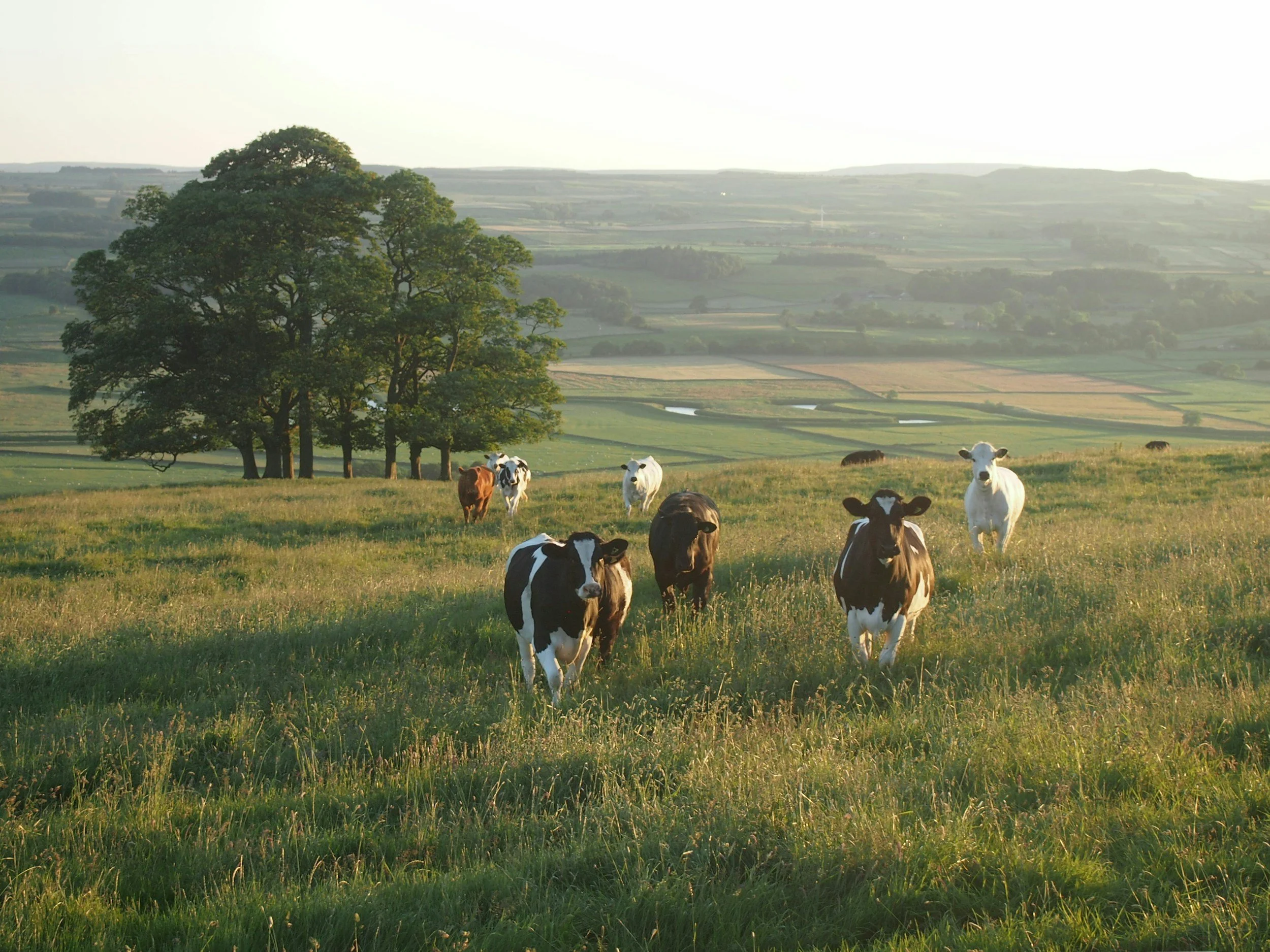
Over the next five years, this program will provide financial and technical assistance to help producers implement practical, science-based improvements. We're talking free soil testing, grazing management planning and livestock stream exclusion fencing. Best of all, these aren't just feel-good conservation projects. They're investments that can improve farm profitability, productivity and long-term sustainability.
And to make things easy, we’re starting with something that doesn't require a bulldozer, a fence stretcher or even a particularly cooperative cow: soil testing. Think of a soil test as a routine physical for your pasture. You wouldn't expect your doctor to prescribe medication without knowing what's going on, so why should we guess what nutrients our fields need?
Soil testing identifies fertility levels, pH and potential nutrient deficiencies. That information helps producers determine whether lime or fertilizer is needed, how much to apply and where those dollars will do the most good. Proper soil fertility encourages stronger forage growth, improves productivity and can reduce unnecessary fertilizer applications. That’s less money wasted on nutrients the soil doesn't need and less opportunity for excess nutrients to reach local waterways. Through this program, soil testing for eligible pasture and hayland will be free throughout the five-year initiative.

Next comes grazing management planning, with producers eligible for $10 per acre in cost-share assistance for developing a plan. A good grazing plan isn't simply deciding which field the cows get to eat next. It considers forage availability, livestock needs, pasture recovery periods, water access, fencing and the unique parts of each farming operation.
Giving pastures adequate rest between grazing periods can encourage stronger root systems, maintain vegetative cover, improve forage utilization and reduce soil compaction. That healthy ground cover is especially important in Ashland County, where rolling topography can turn an unprotected hillside into a shortcut for sediment and nutrients headed downhill.
Better grazing management helps keep soil where it belongs, improves rainfall infiltration and can potentially extend the grazing season. In other words, we're helping farmers grow more grass, make better use of it and keep more of their hard-earned money.
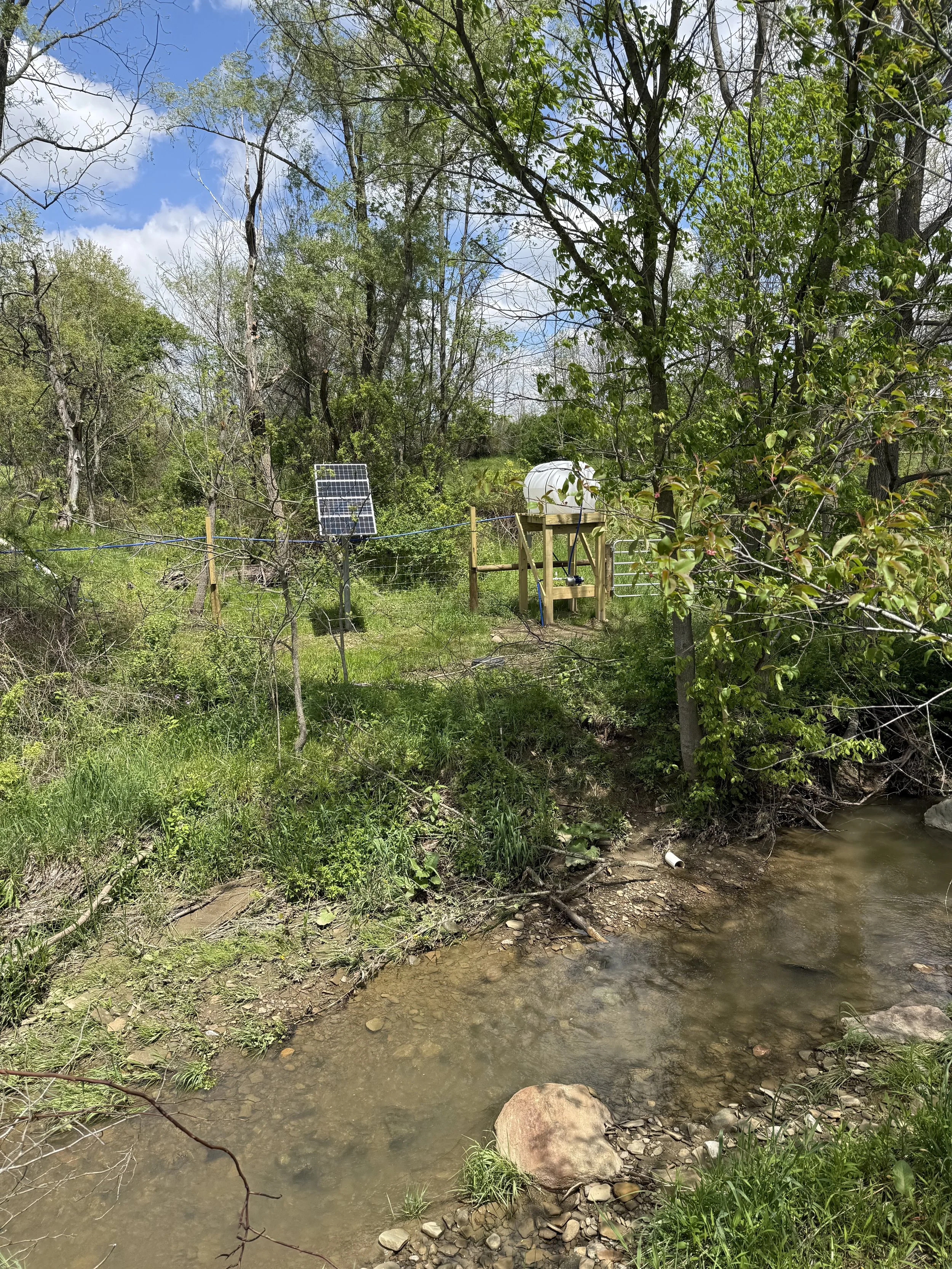
One of my personal favorite parts of the project is funding for livestock stream exclusion fencing.Once producers complete their grazing management plans, they can qualify for up to $15,000 in 100 percent cost-share assistance for eligible stream exclusion fencing projects.

If you’re wondering why keeping livestock out of streams, the answer is simple: cleaner water and healthier livestock. When livestock have unrestricted access to waterways, hooves damage streambanks, increase erosion and stir up sediment. Manure deposited directly into streams can introduce bacteria and nutrients that affect water quality downstream. Fencing livestock out of sensitive waterways, combined with developing alternative watering sources, helps reduce those impacts.
And the benefits aren't limited to the creek. Cleaner, more controlled drinking-water sources can reduce livestock’s exposure to contaminated water, improve herd management and help protect animal health. Stabilized streambanks and healthier riparian areas also benefit wildlife and aquatic habitat.
The beauty of this program is that it recognizes something we've believed for years: agricultural productivity and environmental stewardship aren't competing priorities; they’re partners. By bringing additional state conservation dollars into Ashland County, we're helping local farmers make improvements that might otherwise be financially out of reach. And every acre managed more effectively, every unnecessary fertilizer application avoided and every streambank protected contributes to a larger conservation effort.
Interested producers can contact Agricultural Conservation Specialist Tressie Wallace or Mohican Watershed Assistant Joe Christner at 419-281-7645 to schedule a farm visit, arrange soil testing or discuss grazing management opportunities. Whether you've got a handful of livestock or a whole herd, we'd love to talk.
Because when it comes to healthy pastures and clean water, there's no reason we can't all be grazing toward a better future.