Spring Rain = Runoff: How to Protect Local Streams

There’s no doubt that Ohio has already experienced the start of spring rain this year. With warmer temperatures arriving, so do the frequent rainstorms that bring life back into our fields, lawns, and forests. Arriving at each place, it will pick up soil, nutrients, and pollutants as it flows into nearby waterways and streams. This is then creating stormwater runoff that impacts water quality, wildlife, and potentially our drinking water sources.
What is runoff, you may ask? In simple terms, it is water that flows across the ground instead of being absorbed into it. Especially when the ground is heavily compacted, has steep slopes, or lacks vegetation. As the runoff is running away towards waterways, it is often picking up fertilizers/pesticides/herbicides, vehicle fluids like oils and gasoline, sediments, and manure. This runoff then has to have somewhere to go, so it ends up in our streams, ditches, and storm drains.
With all of the pollutants that are carried into the waterways, there can be a significant impact on them. Such as harmful algal blooms, fish kills due to lack of oxygen, and negatively impacting aquatic habitats. Sediment causes the water to become cloudy, increasing the turbidity in the water, which reduces the amount of sunlight needed for aquatic life. Over time, it will start to deteriorate the water quality of these streams and can lead to larger issues in the watersheds.
There are many simple, easy ways to help reduce runoff that you can implement on your property to help reduce runoff, whether that is on a farm, in gardens, or even on your properties in town.
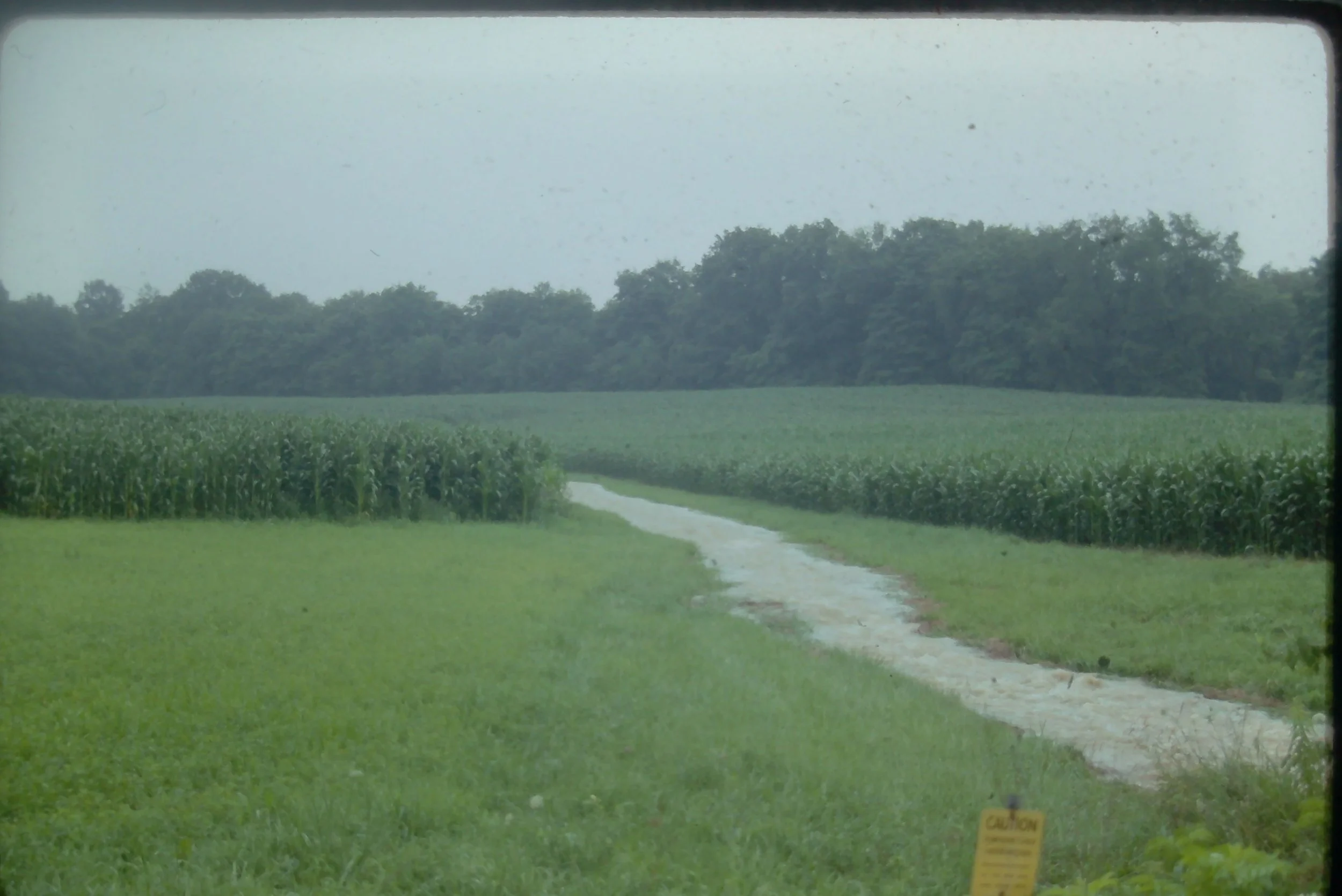
Planting vegetation
By planting vegetation, it can help reduce water runoff by 50% or more, whether that be through cover crops or native vegetation like native grasses, flowers, or shrubs. They improve the soil structure, soak up the runoff water, and slow water movement. This helps reduce erosion, keeping nutrients in the ground, and protects waterways. Ashland SWCD has a couple of different cover crop programs. Cost share from the Muskingum Water Conservancy District in July for cover crop implementation, aerial cover crop seeding, and a garden cover crop sale in the fall.

Reducing the amount of fertilizer applied
Producers can reduce the amount of fertilizer or manure that is applied to their fields or gardens by soil testing to see how much or how little fertilizer is needed. The tests will show you your nutrient levels, and then Ashland SWCD will create a voluntary nutrient management plan (VNMP) with exact rates and timing for applications.

Rain Barrels
Rain barrels are another great way to reduce the amount of runoff leaving your property. You can also then use the water captured to water your flower beds or gardens. Ashland SWCD will be having an online auction with 12 rain barrels that are hand-painted by 12 different artists in Ashland County this summer; all proceeds go towards stormwater education.


As we face more rain events throughout the spring and into summer, hopefully, these few tips will help landowners and producers navigate runoff to protect our waters. Protecting our streams is up to the responsibility of everyone, and a collective effort could improve the water quality tremendously.
If you are interested in learning more about conservation practices, available programs, or setting up a site visit for suggestions on how to improve stormwater management, please contact the Ashland Soil and Water Conservation District. Small actions today can lead to cleaner water for generations to come.