A Grazing Plan Is More Than a Fence Map
If you think a grazing plan is simply a map showing where to put the fence, I have some good news: Your fence isn't getting all the credit it deserves.
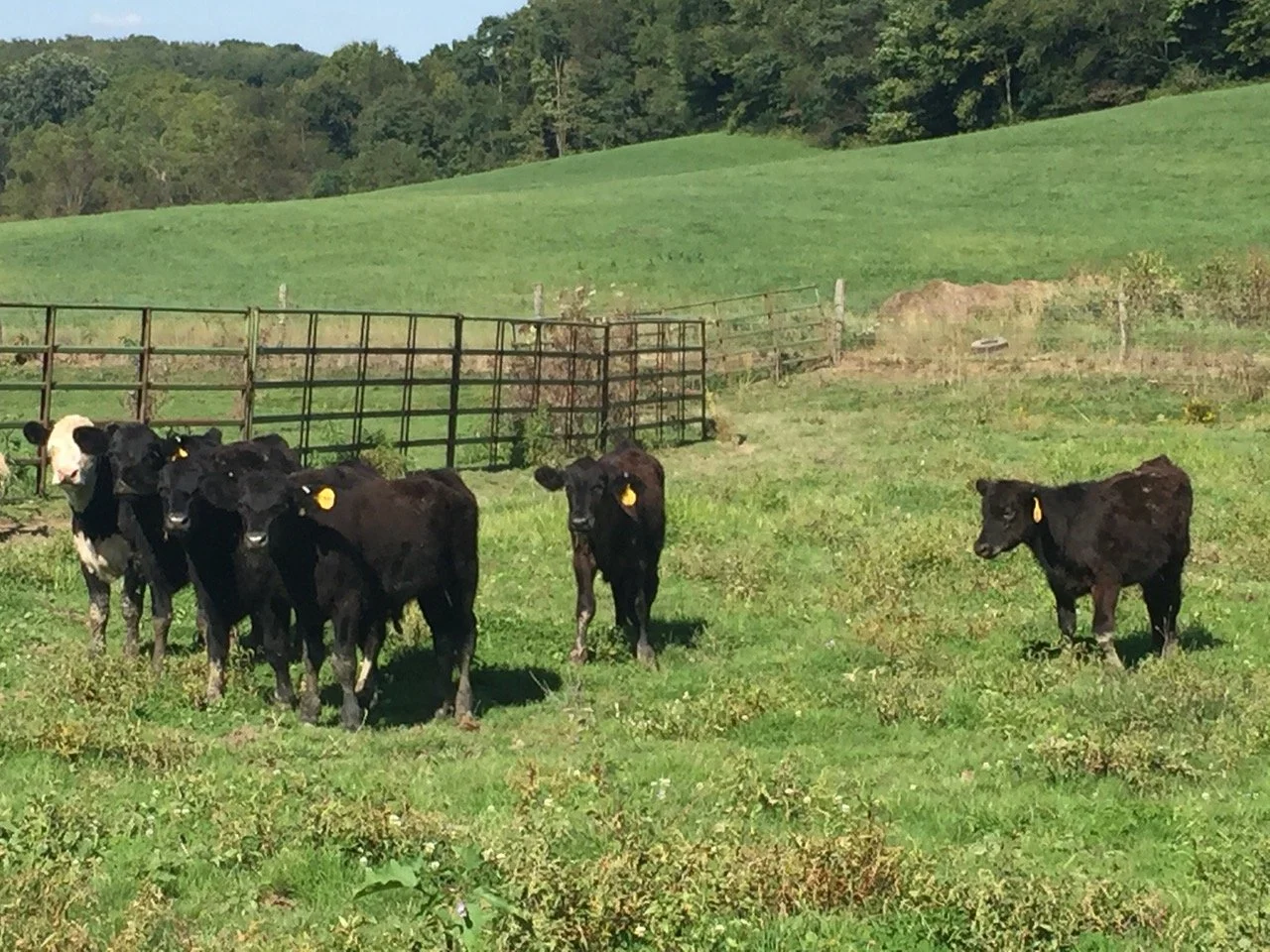
A grazing management plan is about much more than dividing a pasture into sections and moving livestock from one paddock to the next. It's about making the most of what you have, keeping forage growing, protecting your soil and water, and making life a little easier for both you and your livestock.
And no, a grazing plan shouldn't be something that lives in a folder. It should be a roadmap for getting more grass, healthier livestock and less mud out of the same acres. So, what actually goes into a grazing plan? Let's start with the most important part: understanding what you have.
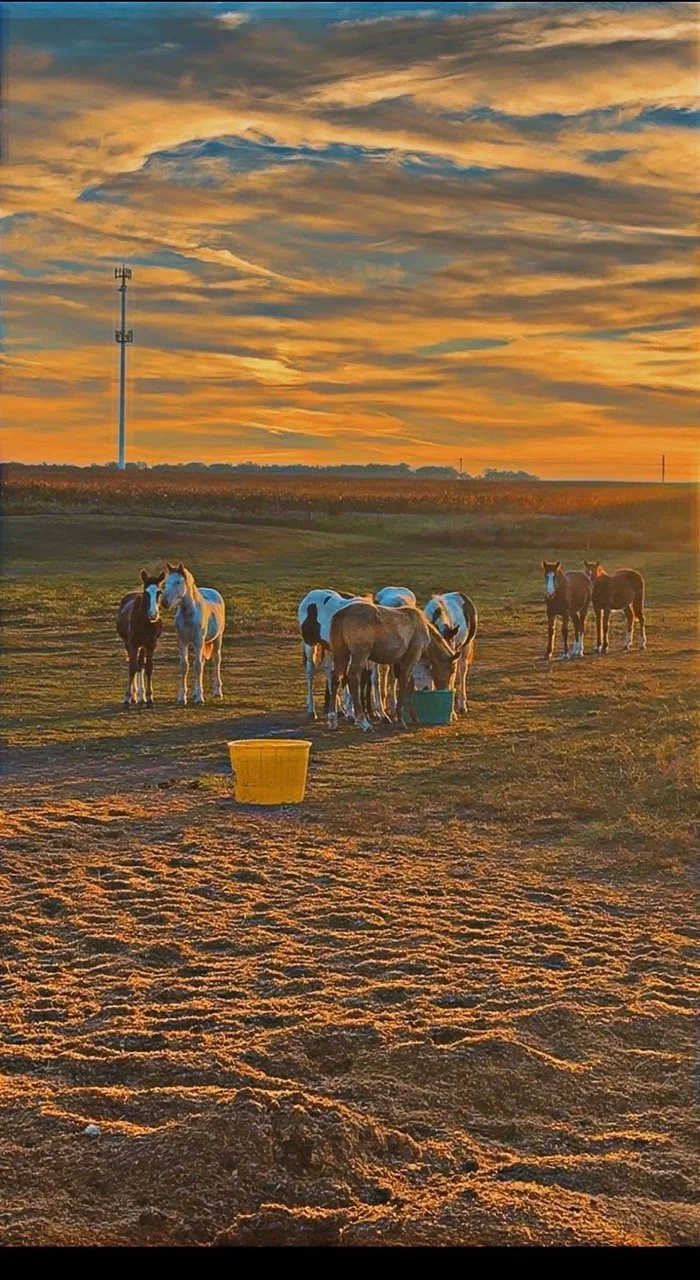
Every farm is different, and there isn't a one-size-fits-all approach to grazing. A plan should consider the size and layout of your pastures, soil types, forage species, livestock numbers, available water and how your animals use the land.
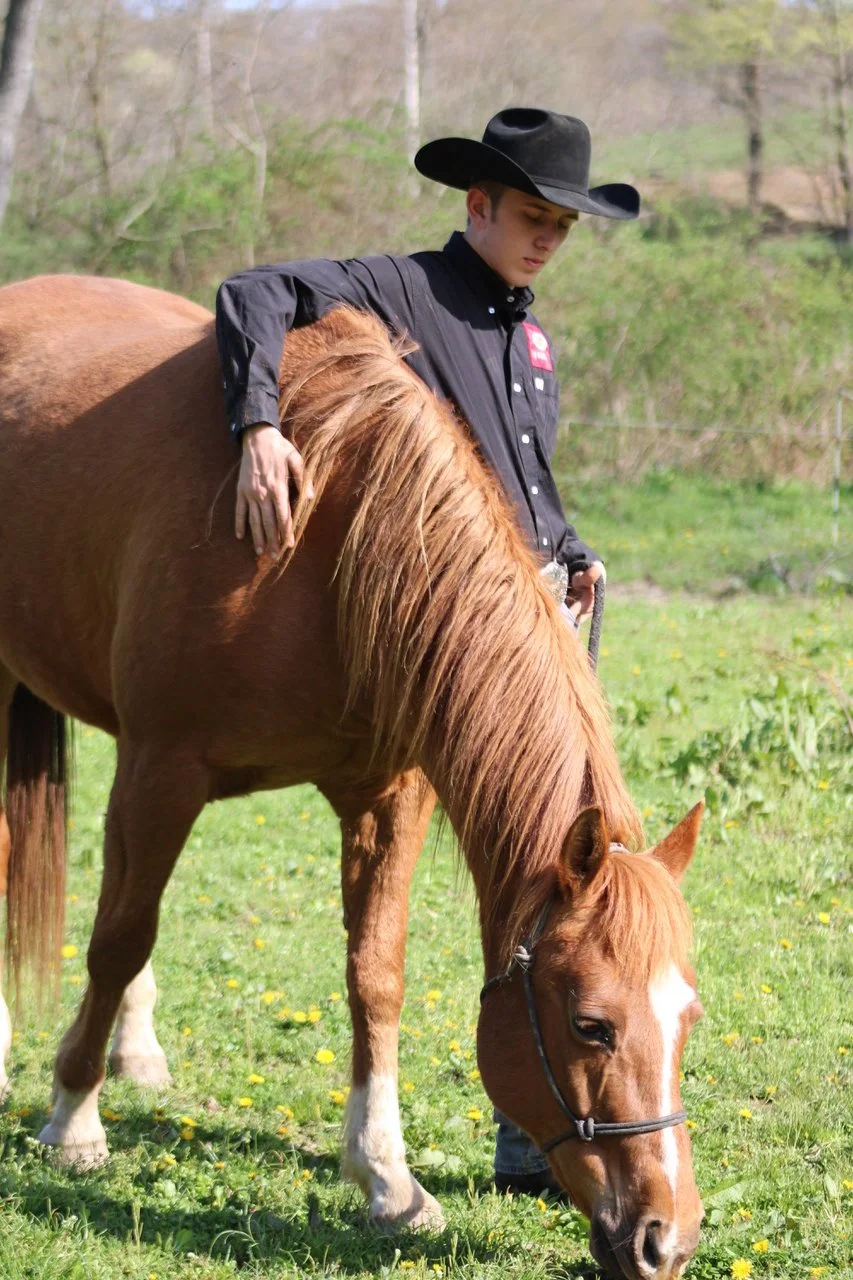
A flatter pasture in northern Ashland County may have different needs than a hillside operation near the Mohican River. A farm with beef cattle will have different considerations than one raising sheep or horses. A good grazing plan takes those differences into account. It's about managing grass, not just managing animals.
One of the biggest benefits of rotational grazing is giving plants time to recover after livestock have grazed them. When animals stay in one area too long, they can repeatedly graze the same preferred plants while other areas are left underused. Over time, that can weaken desirable forage, expose soil and reduce pasture productivity.
A grazing plan helps determine when livestock should move, how long an area should rest and how to adjust the schedule based on forage growth and weather.
And let's be honest: Ohio weather doesn't always follow our carefully organized calendars. Rain, drought, heat and an early frost can change pasture conditions in a hurry. A good plan needs room to adapt. Sometimes the best grazing decision is moving cattle before a pasture turns into a mud wrestling arena.
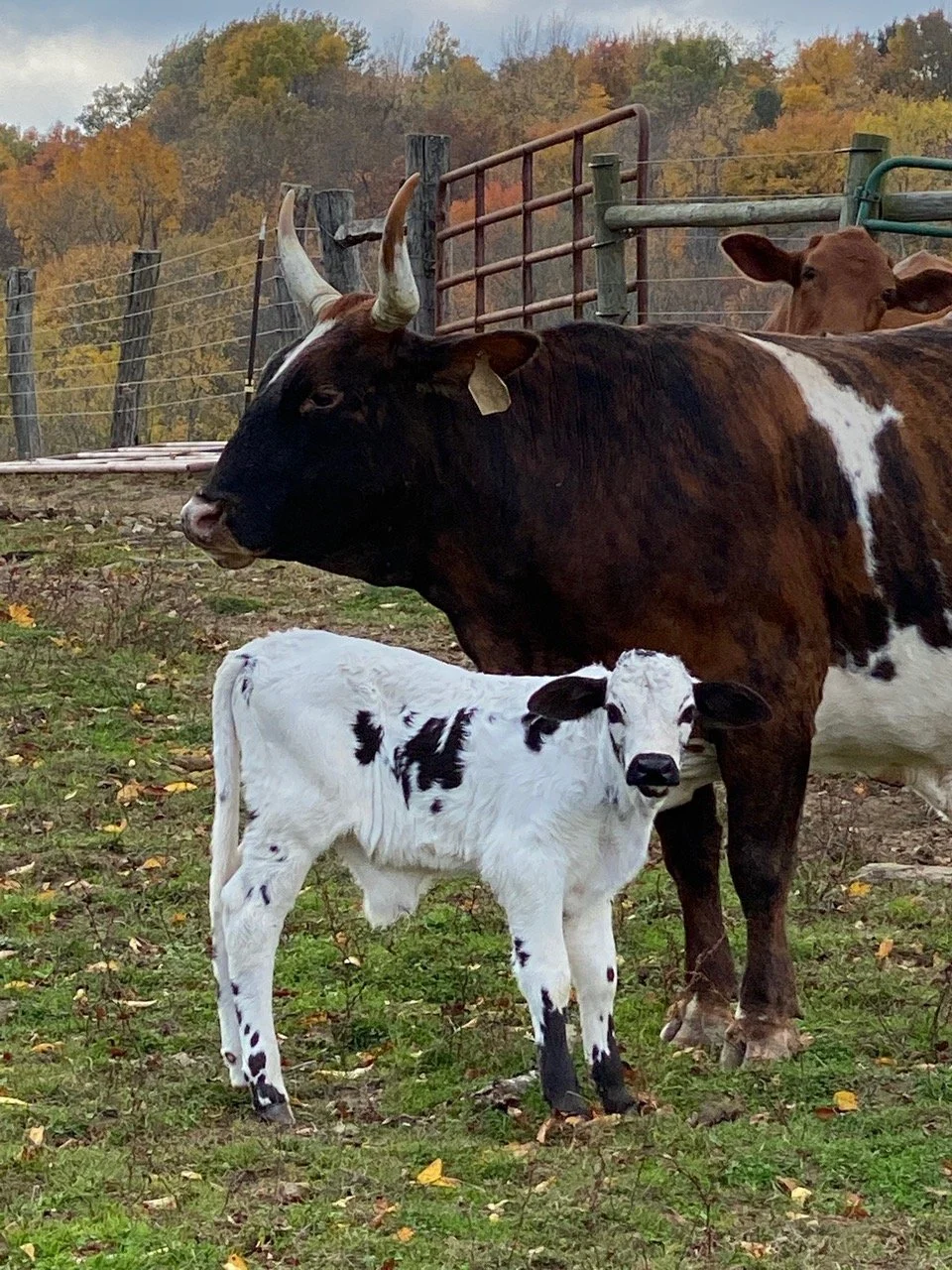
Livestock need reliable access to clean water, but where that water is located can make a big difference. Animals naturally gather around water sources, shade and feeding areas. Without thoughtful planning, those high-traffic locations can become compacted, muddy and vulnerable to erosion. A grazing plan can help identify opportunities to improve water access, manage heavy-use areas and reduce livestock pressure near streams.
Keeping cattle out of streams when alternative watering options are available isn't just about protecting the water. It's also about protecting streambanks, reducing manure entering waterways and creating healthier conditions for livestock.
The soil is part of the herd, too. Well-managed grazing can support healthy soil by maintaining vegetation, encouraging root growth and reducing the risk of bare ground. But grazing management and soil health go hand in hand. Soil type, drainage, slope and weather all influence how much grazing pressure an area can handle.
That's why a grazing plan should consider not only where livestock go, but also when they go there and what the ground conditions look like. A plan that works beautifully in July might need a few adjustments in November. That's not a failure—that’s farming.
Where does Ashland SWCD fit in? We work with farmers to evaluate pasture conditions, discuss grazing goals, identify resource concerns and explore conservation practices that fit the operation. We help connect the dots between pasture management, soil health, livestock needs and water quality.
And if you can keep a secret, we have some exciting new cost-share opportunities making their way to Ashland County this fall designed to support farmers developing grazing plans and implementing conservation improvements, including pasture and hayland soil testing and exclusion fencing.
The goal isn't to hand you a plan and wish you luck. It's to work alongside you to develop something practical, realistic and useful for your farm.
A grazing plan doesn't have to be complicated to be effective. It just needs to reflect your operation, your resources and your goals. And it should be something you can use—not something that gathers dust.
So, as we head into fall and start thinking about next year's pasture season, take a look at your fields. Where did the grass hold up? Where did the mud win? Which areas need attention? And what could you do differently next year? Your fence might be part of the solution, but it isn't the whole story.
Good grazing starts with a good plan, and good plans start with a conversation. Give Ashland SWCD a call at 419-281-7645 or stop by our office at 110 Cottage Street in Ashland. Let's talk about how we can help you make the most of your pasture—one acre, one hoofprint and one blade of grass at a time.