Where’s all that water supposed to go? Ashland SWCD hosts Dec. 9 Conservation Chat
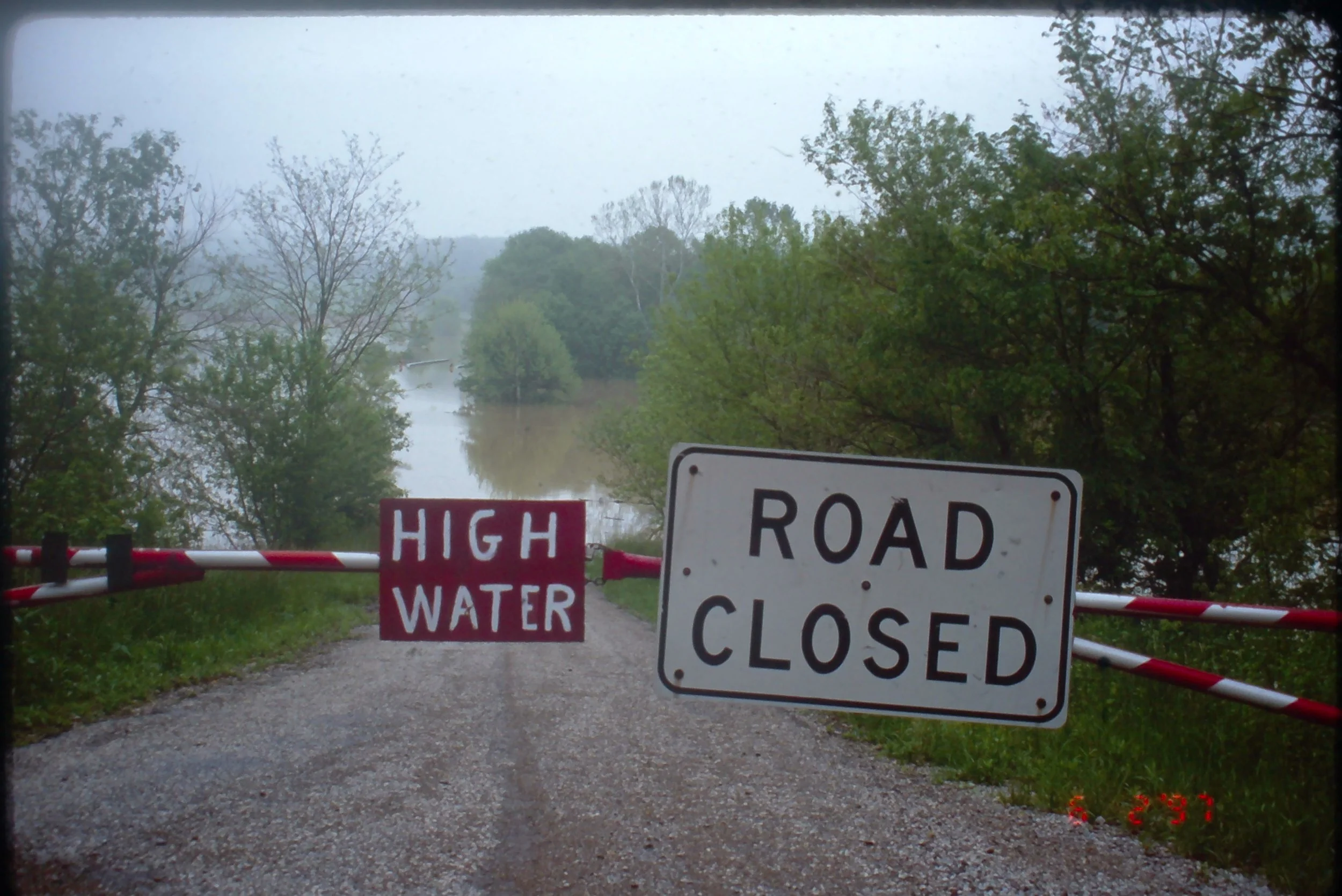
A hard rain can leave a homeowner with a soggy yard, a farmer with standing water in a field and a township trustee with three voicemails about the same ditch. The questions are often the same: Where’s the water coming from, and who can do something about it?
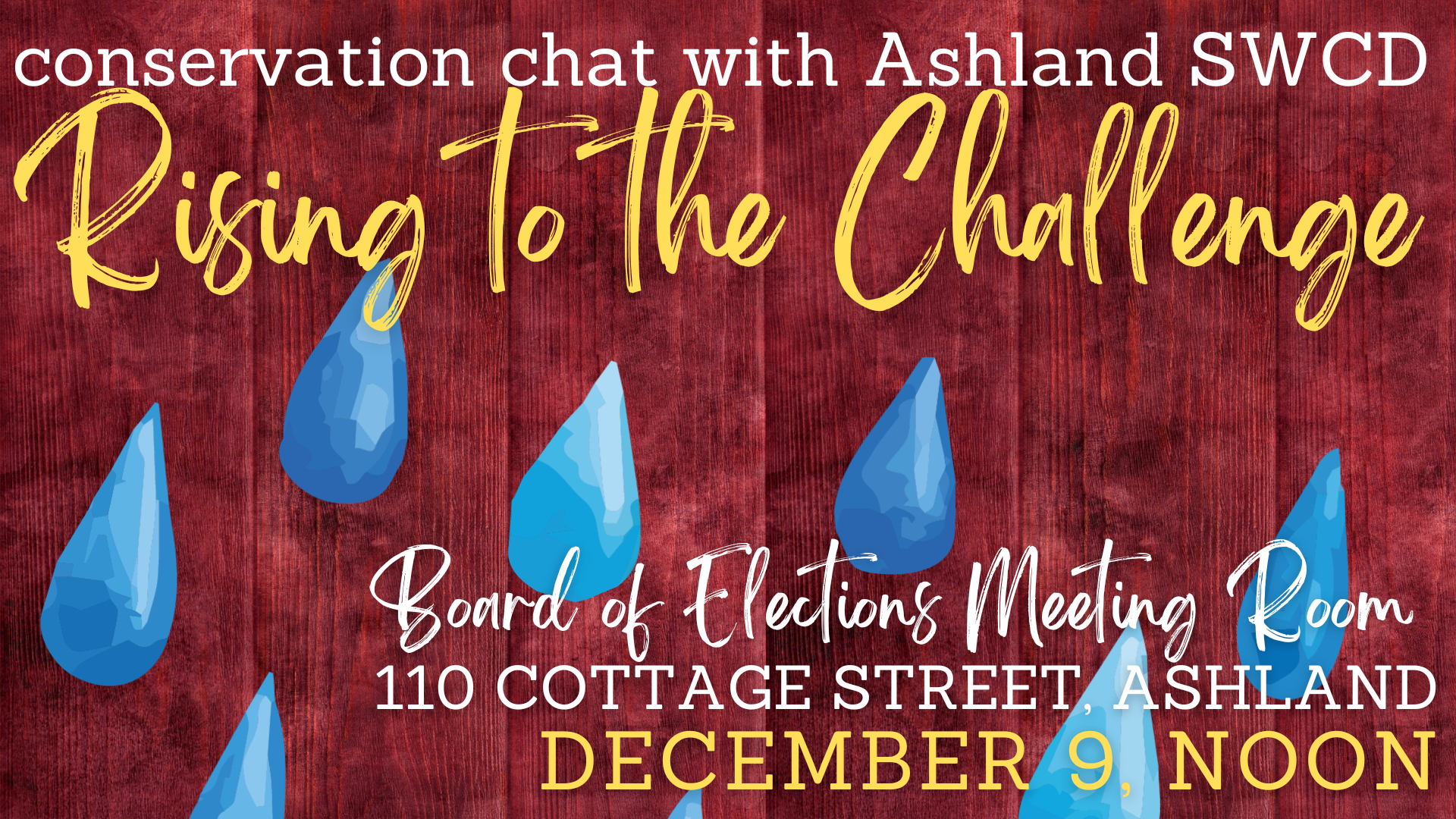
Drainage questions and complaints are among the most common calls to the Ashland Soil & Water Conservation District (SWCD). The district will bring two state experts to the lunch table to answer those questions at Rising to the Challenge, a Conservation Chat at noon on Wednesday, Dec. 9, at the Ashland County Board of Elections, 110 Cottage St. in Ashland.
“Water doesn’t stop at a property line, and neither do the effects of a drainage decision,” said Jane Houin, Ashland SWCD Director. “A homeowner may be trying to keep water out of the basement, a farmer may be trying to get back into a wet field and a township trustee may be hearing from both of them. This is a chance for local officials, landowners and farmers to sit down with the experts, ask about the situations they’re actually dealing with and leave knowing what to do next.”
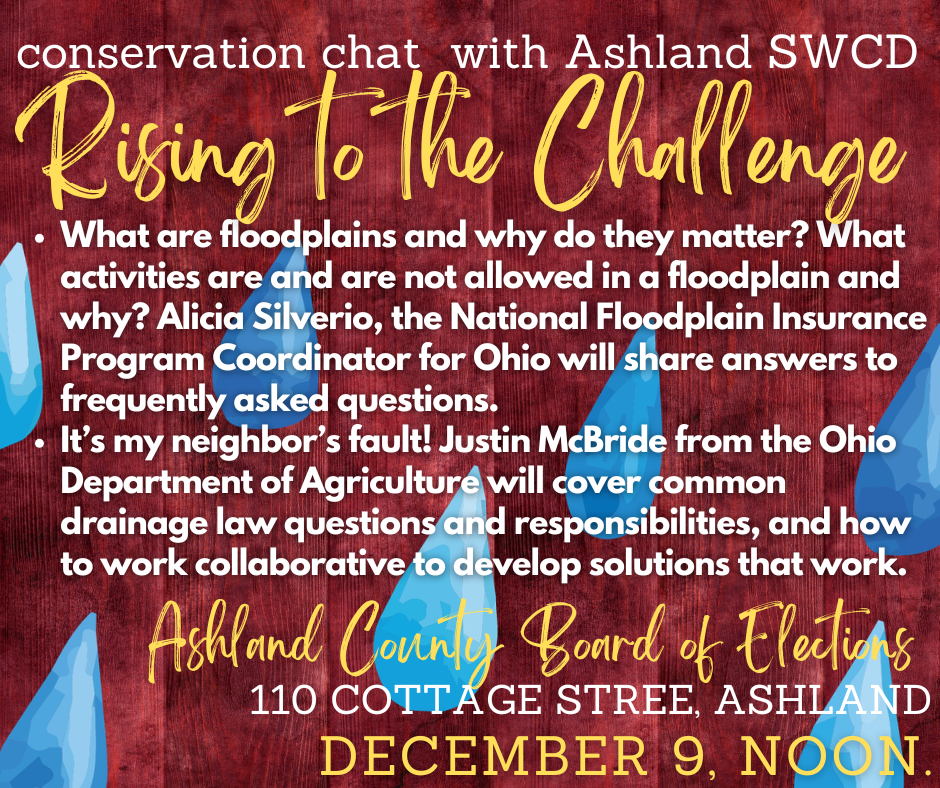
Justin McBride, H2Ohio engineering manager with the Ohio Department of Agriculture, will cover common drainage dos and don’ts and explain how Ohio drainage law applies to everyday problems.
Moving a downspout, installing a field tile outlet or regrading a driveway can solve a problem in one spot and send more water somewhere else. Ohio courts generally apply a reasonable-use standard to surface water disputes, weighing the circumstances of each case, including the effects on neighboring properties. For drainage problems that span several properties, Ohio law also provides a county ditch petition process for considering shared improvements.
Alicia Silverio, floodplain management program manager with the Ohio Department of Natural Resources and Ohio’s coordinator for the National Flood Insurance Program, will explain how to use flood maps and when to ask about a permit.

With rivers and streams winding through Ashland County’s farm fields, neighborhoods and communities, those questions can come up when a landowner wants to build a shed, put up a farm building or bring in a few loads of fill. In a regulated floodplain, even grading land can require a local development permit. The rules help protect people and property and reduce the risk that work on one site will worsen flooding nearby.
The chat is open to the public. Residents can bring questions about runoff crossing a property line. Farmers can ask what to check before putting in tile or building near a creek. Township trustees, municipal and county officials, and staff who take those calls can hear directly from the speakers about which questions to ask and where to send residents for help. A photo of the ditch that started the whole conversation is welcome, too.
Lunch is included. Tickets are $5 each, or free if you bring a friend. Reservations are required at risingtothechallenge.eventbrite.com.
Ashland SWCD works with landowners, farmers, businesses, and community partners to protect and improve Ashland County's soil, water, and natural resources through education, technical assistance, and conservation leadership. Each month, the district hosts a Conservation Chat on different conservation topics relevant to the local community. A list of upcoming events can be found at ashalndswcd.com