When the Ground Freezes, Give the Manure Spreader a Snow Day
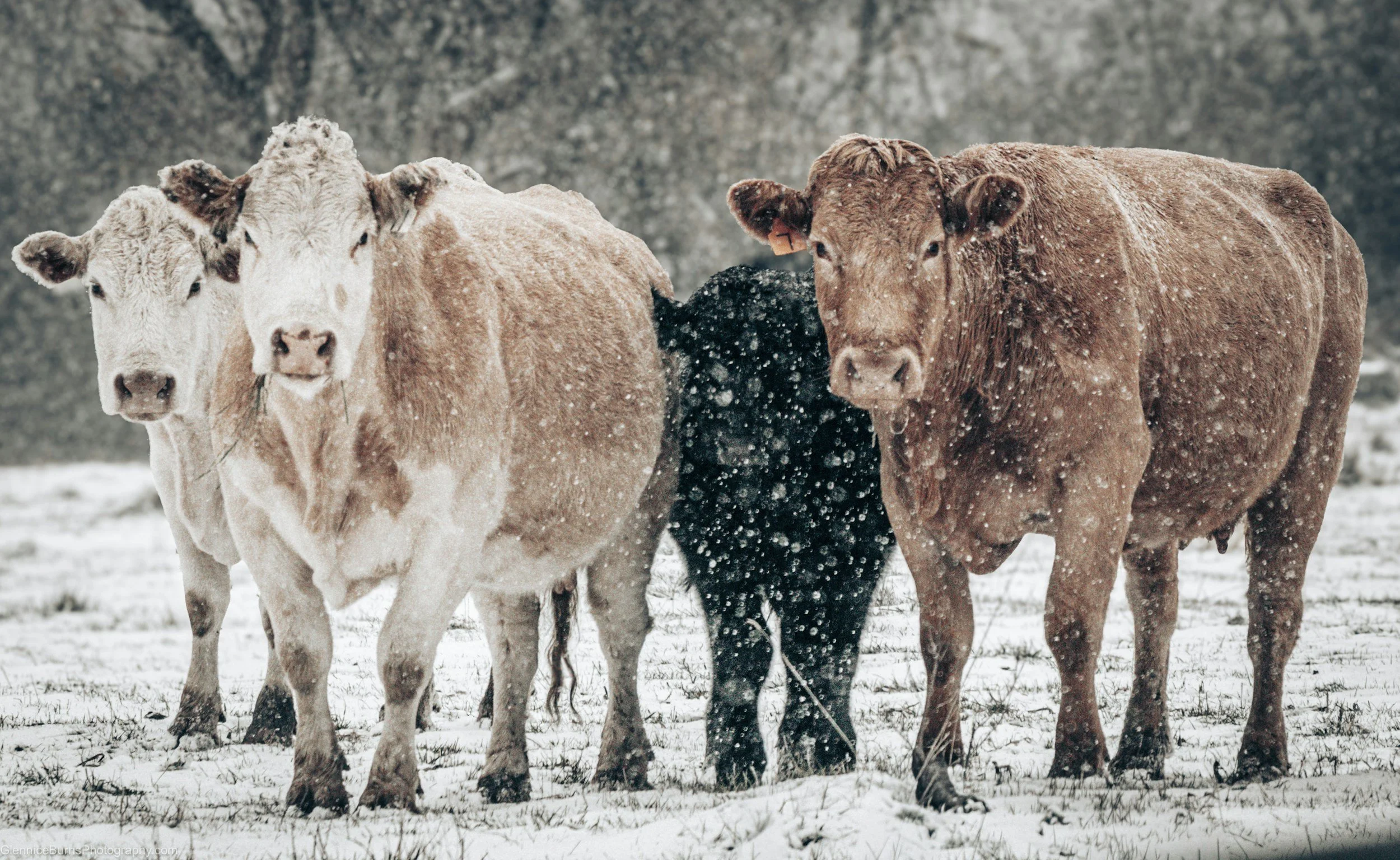
Try as I might, I’ve never figured out how to convince livestock to take a day off— not even for a snow day. You can close the schools, cancel a meeting and decide the grocery run can wait, but livestock expect breakfast (or lunch or dinner as the case might be) right on time. And as anyone who’s ever cleaned a barn knows, what follows breakfast is every bit as dependable.
So I understand the temptation: when the ground freezes solid and you can finally get across a field without leaving ruts deep enough to lose a boot, it feels like a chance to empty your manure storage. But if the ground is frozen or covered with snow, let’s leave the spreader parked. The same hard ground that holds up the tractor can send rain and snowmelt running downhill.

Think about where the water goes on your farm when we get one of those warm winter rains. Maybe it cuts across the hayfield, hits the roadside ditch and heads straight for the creek. Maybe it disappears into a surface inlet halfway down the field. Either way, manure sitting on top of frozen ground or snow is right there for that water to pick up.
The phosphorus you meant to feed next year’s crop can end up feeding algae downstream instead. And manure can carry bacteria such as E. coli into the same creeks kids (and yes, even us adults) wade, fihs, canoe and kayak in once the weather warms up.
At the district, we use Ohio’s NRCS Nutrient Management Standard (commonly called 590 in “soil and water speak”) to determine whether it’s time to spread manure or put your spreader on administrative leave. If the ground is frozen, there’s snow or the top two inches of soil are saturated, hold off on spreading manure. Then pull up the forecast. Under 590, if there’s a greater than 50 percent chance of more than half an inch of rain in the 24 hours after you’d spread, wait.
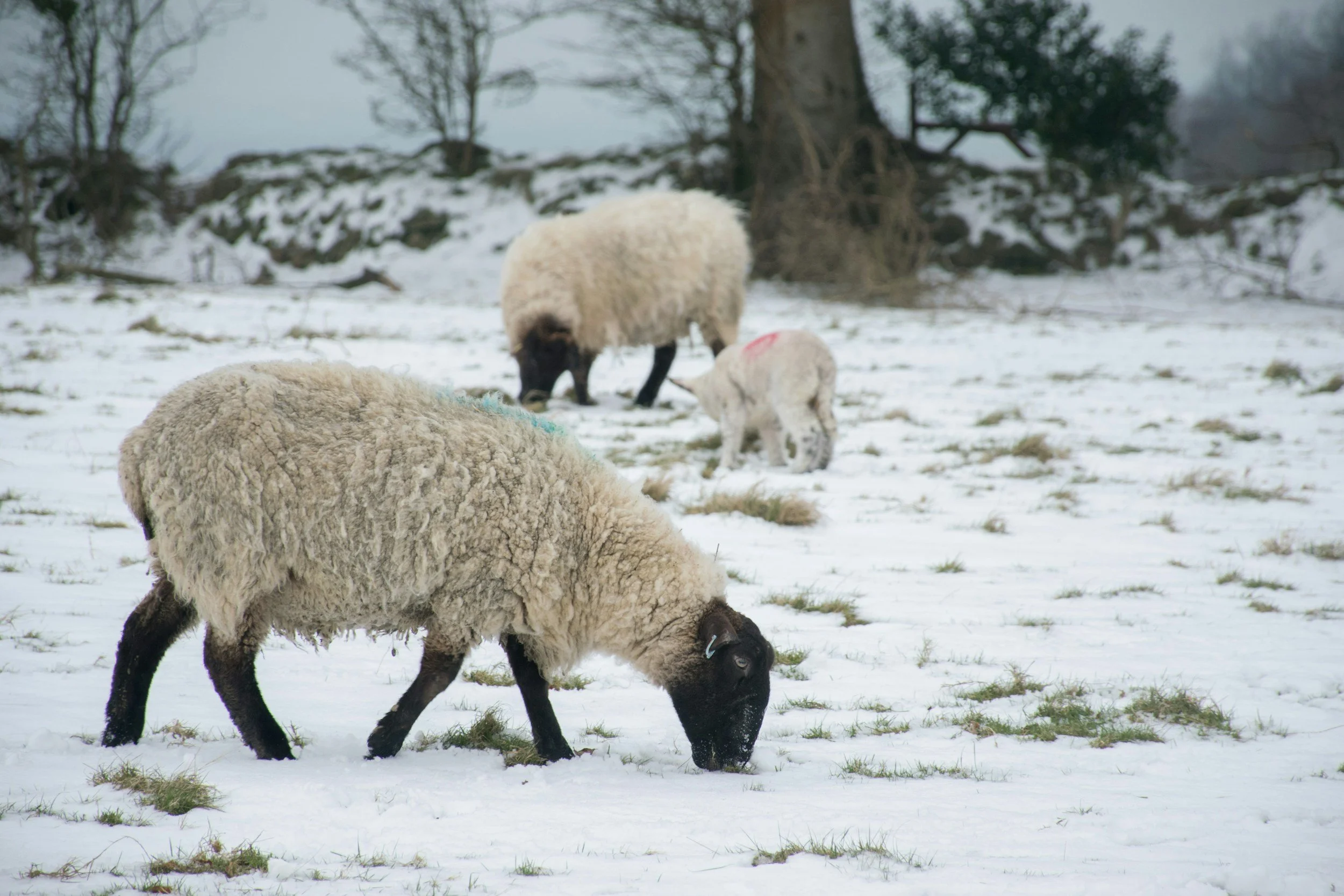
And pay attention to a warm-up that could melt a lot of snow in a hurry. One afternoon in the 40s can do wonders for my mood and make me think spring has sprung. But, it takes more than a quick warm up to get a field ready, and more than once I’ve seen that warm up turn manure on a field into Lake Manure.
When you do get a decent window, take a minute to walk the field. You probably already know which corner holds water and which draw turns into a creek every time it rains. Use that knowledge. Flag the inlets, check the setbacks in your nutrient management plan and give streams, ditches, grassed waterways and wells the space they need. When deciding when and where to spread manure, choose fields with good cover and less risk of runoff.
Manure injection or timely incorporation can help keep manure out of moving water. If you’re applying liquid manure on a tiled field, keep an eye on the outlets during and after spreading.
And while you’re at it, take a look at the soil test for the field closest to the barn. I know why that one’s a favorite for spreading manure, especially when it’s cold and every extra trip means a little more time in the tractor. But if the field already has plenty of phosphorus, it’s time to give another field a turn with the spreader.
Look at your current soil test and invest in a manure analysis. (Pro tip: Ashland SWCD offers one free manure analysis per year with current manure application records and we also offer soil testing services. Soil testing on pasture and hayland is even free right now thanks to our H2Ohio grazing program .) Account for the nutrients you’ve already applied and set your application rates based on what the crop can use. Then calibrate the spreader to make sure the rate you mathed out on paper is the same rate that’s actually getting applied to the field.


And if you’re looking at the pit and wondering how much longer you can wait, give us a call at while you still have some room to spare. We can talk through storage options, suitable fields for the next good weather window and what works best for your farm. Ohio’s 590 standard has narrow provisions for emergency liquid manure application. We’d much rather have that conversation with you on a Tuesday afternoon than have you trying to sort it out on a Sunday when the forecast has gone sideways.
One thing is for sure when the temperatures drop: your livestock will still want their breakfast on time. But iff the field’s frozen or covered in snow, the spreader can have the day off.