No-Till November: Sometimes the Best Thing You Can Do for Your Soil Is Nothing
Special guest column by Justin Ringler, Ashland Soil & Water Conservation District Chair

November is here, and while some folks are gearing up for deer season, Thanksgiving dinner, and debating whether it's too early for Christmas decorations, Ashland SWCD is joining the USDA in encouraging farmers to celebrate something a little different: No-Till November.
Yes, you read that right. The government is actually encouraging farmers to do less work. And for once, there isn't even paperwork involved.
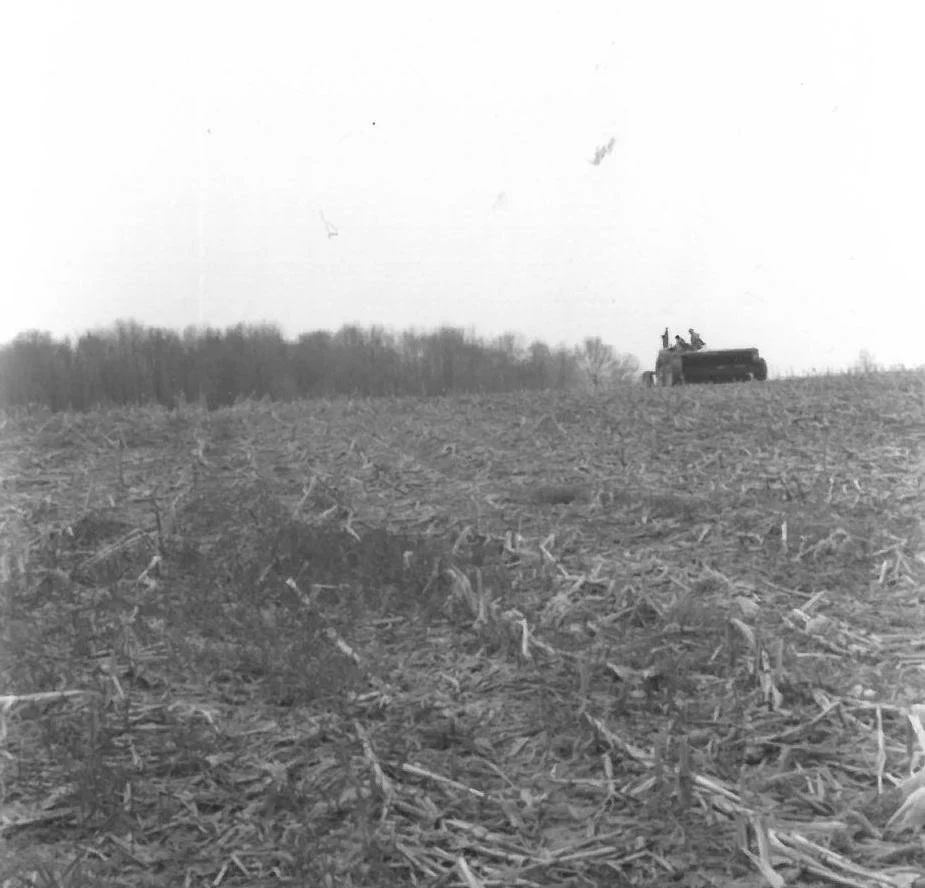
Since 2017, USDA’s Natural Resources Conservation Service (NRCS) has promoted a No-Till November campaign, an agricultural twist on No-Shave November. Instead of growing a beard, farmers are encouraged to let their fields grow a little scruffy by leaving crop residue in place and keeping tillage equipment parked in the shed.
It turns out a little stubble is a pretty good look on a farm. But beneath the name is a serious message about soil health, water quality, and protecting one of agriculture's most valuable resources.
For generations, plowing was just part of farming. A freshly plowed field looked productive, neat, and ready for another growing season. But we've learned that what looks good on top isn't always what's best underneath. Every time we till, we disturb the soil's structure and the complex community of earthworms, microorganisms, and other living things working below the surface. Repeated tillage can break down soil aggregates, increase erosion, and reduce the soil's ability to absorb and hold water.

No-till farming takes a different approach. By planting directly into previous crop residue, farmers protect the soil surface, preserve its structure, and let nature do more of the heavy lifting. Think of crop residue as a protective blanket. It cushions raindrops, slows runoff, helps retain moisture, and gradually returns organic matter to the soil.
And let's not overlook another benefit: fewer trips across the field mean less fuel, less equipment wear, and fewer hours bouncing around in a tractor seat. With today’s fuel prices, both the soil and the farmer's wallet can appreciate that.
And here's something worth remembering: Topsoil is much easier to lose than to replace.
No-till helps slow that process. Keeping crop residue on the surface reduces erosion and gives rainfall a better opportunity to soak into the ground instead of running off the field. Combine no-till with cover crops, grassed waterways, and other conservation practices, and you've got a much stronger defense against erosion.
Of course, no-till isn't a magic solution. Equipment, residue management, weed control, and soil conditions all matter. And let's not forget those slimy little troublemakers that sometimes come with the territory: slugs. The cool, moist conditions created by crop residue and cover crops can provide ideal slug habitat, occasionally turning a conservation success story into a frustrating spring planting experience.
Keep an eye out for new Ashland SWCD programs in 2027, including a slug control initiative to help producers tackle slug problems while continuing to enjoy the benefits of no-till and cover crops.
As we look ahead to new opportunities, it's also time to announce the end of a longtime district service. As the 2026 calendar year comes to a close, so will Ashland SWCD's equipment rental program.
Our no-till drill rental program began with a simple goal: give Ashland County farmers an affordable opportunity to try no-till production without making a major equipment investment. And it worked. In fact, it worked so well that many producers who once relied on our rental equipment eventually bought their own no-till equipment. That's exactly what we hoped would happen.
But farming has changed, and so has demand. With fewer rentals, rising equipment costs, and the considerable abuse, wear and tear, and repairs that come with shared machinery, maintaining the program is no longer financially sustainable. We sincerely appreciate every farmer who rented equipment from us over the years. We're proud of the role this program played in helping conservation-minded farming practices take root across Ashland County.
And if you're feeling a little nostalgic about our equipment, you'll have one last opportunity to bring some of it home. Watch for our equipment at this winter's RES equipment auction. Who knows? You might even end up owning the very drill you used to rent!
Our rental program may be ending, but our commitment to helping farmers protect their soil certainly isn't. We'll continue exploring new ways to support producers as agriculture evolves.
So this November, consider giving your tillage equipment a well-deserved break. Leave the stubble, protect the soil, and remember that sometimes the best investment we can make in next year's crop is taking care of the ground beneath our feet.
After all, the most valuable thing on the farm isn't always what's growing above the ground. Sometimes, it's what's staying put underneath it.