Roots Run the Show: The Underground Workforce Driving Our Farm
Take a drive around Ashland County and you’ll see what’s growing above ground—rows of corn stretching skyward, soybeans pushing through, and green pastures dotted with livestock. But the real action is happening where most of us never look.
Beneath your boots, an entire underground workforce is hard at work. And if there’s one thing we’ve learned we at Ashland Soil and Water Conservation District know, it’s this: roots run the show.
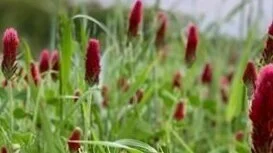
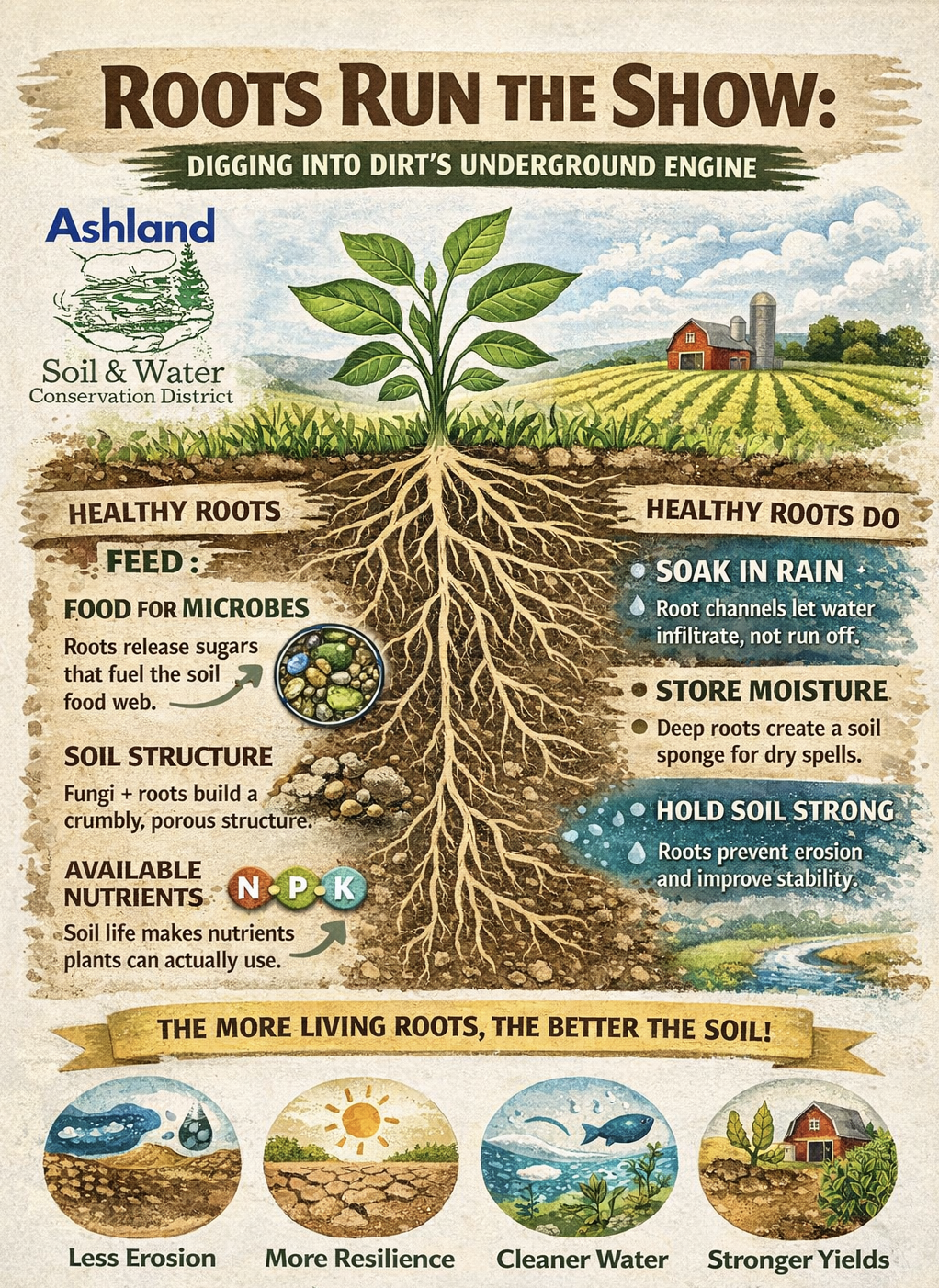
It’s easy to think of roots as just anchors—holding plants in place and pulling up water. But roots are doing far more than meets the eye. They’re actively feeding soil life. Through a process known as root exudation, plants release sugars, amino acids, and other compounds into the soil. These exudates act like an all-you-can-eat buffet for microbes—bacteria, fungi, and other organisms that make up the soil food web.
In return, those microbes get to work. They help break down organic matter, cycle nutrients into plant-available forms, and even build soil structure by creating aggregates—those crumbly, sponge-like clumps that allow water to infiltrate instead of running off. In other words, healthy roots don’t just grow plants—they build soil.
Roots and water have a critical connection, after all. Here in Ashland County, too often we see both ends of the spectrum: too much rain in a short window, followed by stretches of dry weather. That’s where roots make a measurable difference.
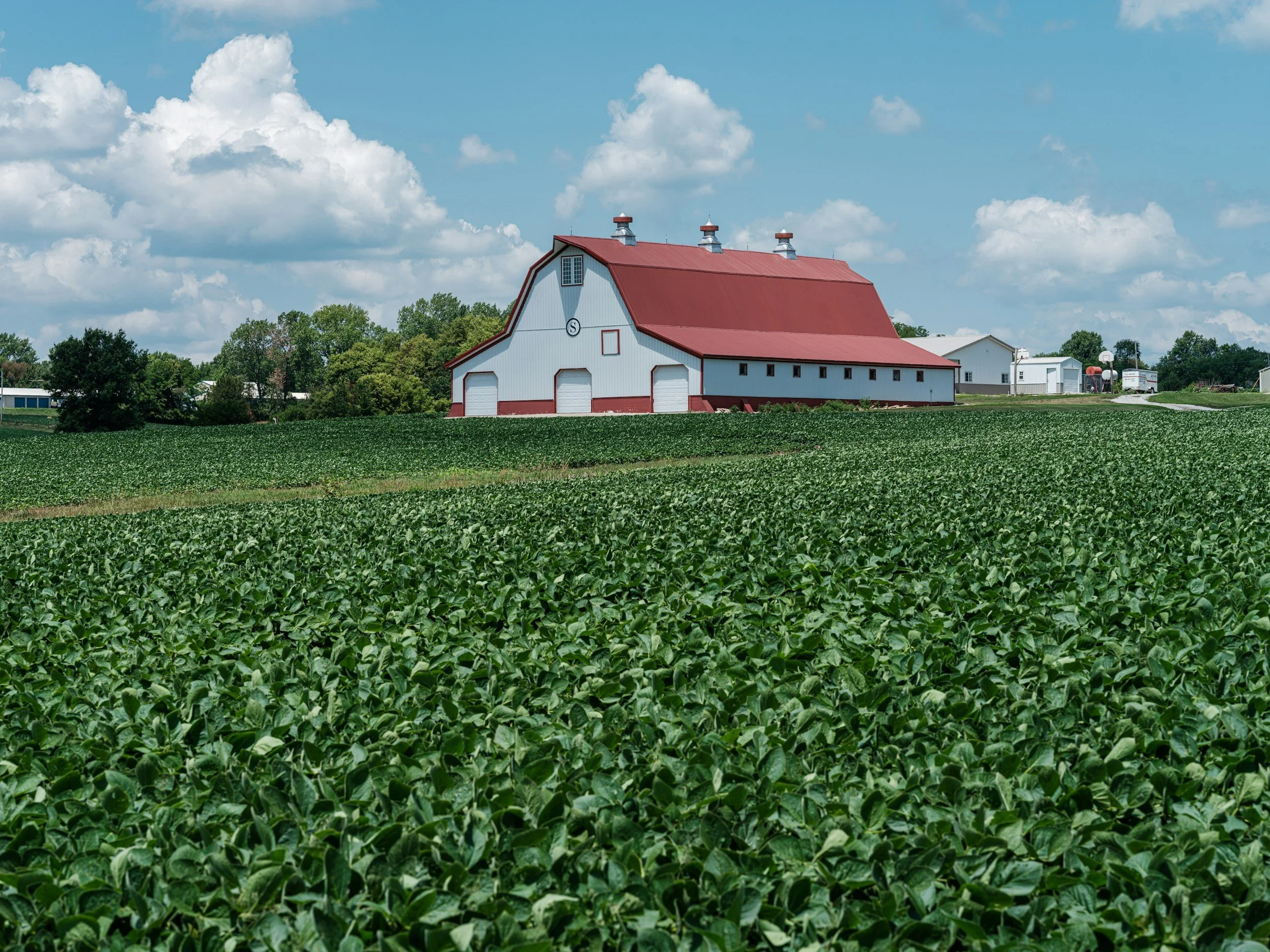
Deep, diverse root systems create pathways in the soil, improving infiltration. When heavy rains come, water can move into the ground rather than across the surface. That means less ponding in fields and fewer nutrients washing away into local waterways like the Mohican River.
Later in the season, those same root channels help store water deeper in the soil profile. Crops with access to that stored moisture are better equipped to handle dry spells. Think of it this way: soil with active roots behaves less like a brick and more like a sponge.
The healthiest soils have living roots growing year round. One of the biggest challenges for farmers today is that, for part of the year, many fields sit without living roots. After harvest, soils can be left bare until the next planting season. That gap matters.
Without living roots, the soil food web slows down. Microbial populations decline, structure begins to break down, and the system becomes more vulnerable to erosion and nutrient loss.

That’s where cover crops come in. By keeping living roots in the ground for more months of the year, cover crops help maintain that underground workforce.
Whether it’s cereal rye scavenging leftover nitrogen, radishes breaking up compaction, or clovers fixing nitrogen, each species contributes something unique below ground. The result is more resilient soils that are better prepared for whatever the next growing season brings.
It’s not just row crop fields where roots play a starring role. Pastures tell the same story. There’s a whole herd of roots and microbes hard at work below the herd you see grazing in the pasture. When grasses are overgrazed, plants are forced to pull energy from their root reserves to regrow leaves. Repeated overgrazing leads to shallower root systems, weaker plants, and reduced drought tolerance.
On the flip side, well-managed rotational grazing allows plants time to recover. That recovery period isn’t just about what you see above ground, it’s when roots rebuild, deepen, and strengthen. Healthier roots mean more productive pastures, better water infiltration, and improved soil stability. It’s a win for both livestock and land.
That’s one reason Ashalnd SWCD teamed up with the Muskingum Watershed Conservancy District to bring a new rotational grazing kit to Ashland County last fall. The kit is free to use and allows farmers to explore the benefits of rotational grazing without the intial invesment holding them back.
Whether you farm 1,000 acres, manage a few head of livestock, or simply enjoy the outdoors, healthy soils benefit everyone. Stronger root systems help reduce erosion and sediment loss, improve water quality in local streams and rivers, increase resilience to weather extremes and support long-term agricultural productivity.

These aren’t abstract concepts—they’re outcomes we can see across Ashland County. The next time you’re out in a field, pasture, or even your backyard garden, take a moment to think about what’s happening beneath the surface. Because while crops, grasses, and flowers may get the spotlight, it’s the roots—quietly working below ground—that are calling the shots.
And when we manage our land in ways that support those roots, we’re not just growing plants. We’re growing healthier soil, cleaner water, and a more resilient future for Ashland County. For more information on steps you can take to improve soil health and water quality here in Ashland County, contact Conservation Planning Specialist Liz Golias or Water Quality Specialist Zoey Dudte for more information on our local conservation programming.