Aerial Cover Crop Seeding Offers Farmers Flexibility & Soil Health Benefits
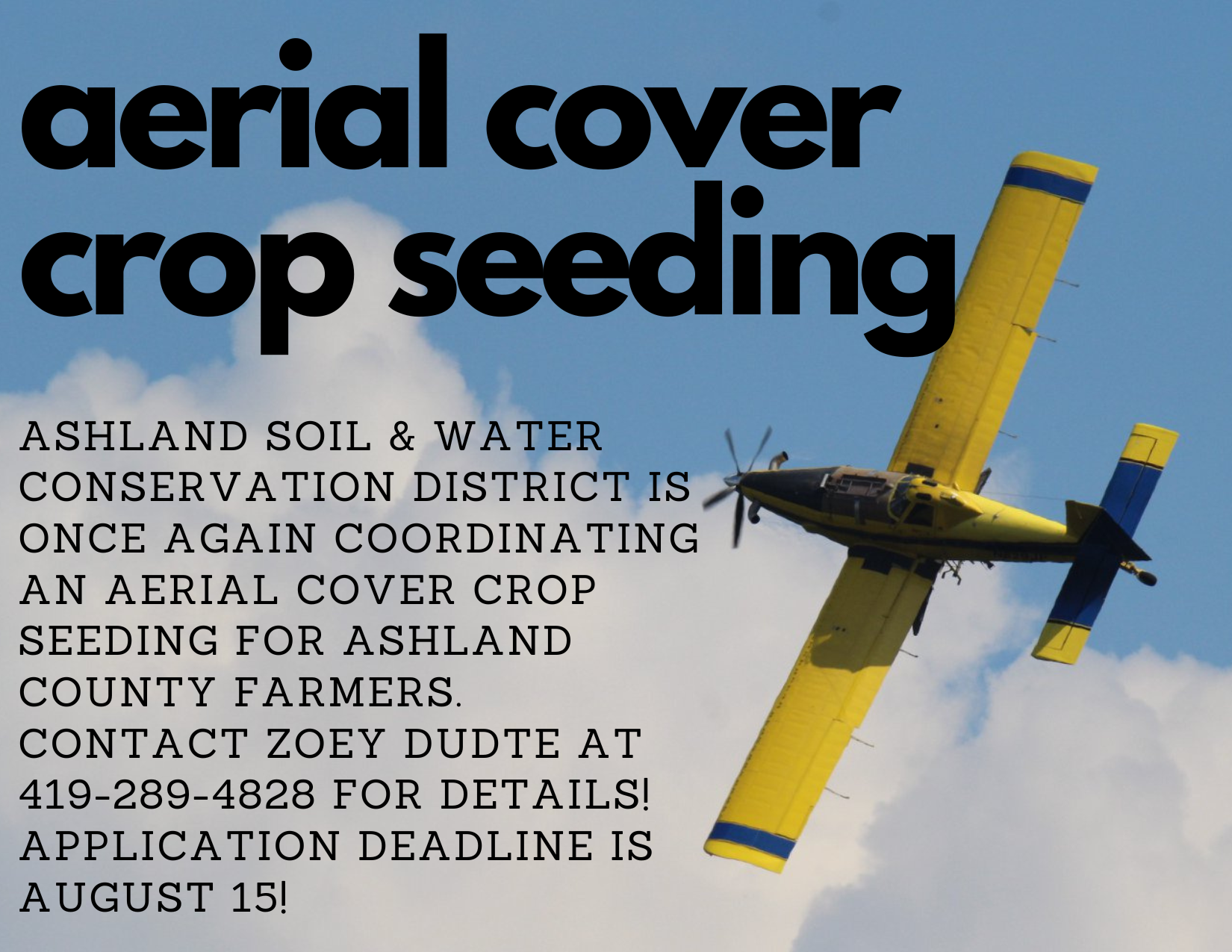
As more farmers look for ways to improve soil health, reduce erosion, and make the most of the growing season, aerial cover crop seeding continues to be a valuable conservation practice across Ohio and the Midwest. By allowing cover crops to be established before harvest, aerial seeding provides producers with greater flexibility and a longer window for cover crop growth, helping maximize the benefits these crops can provide.
Cover crops are planted primarily to protect and improve the soil rather than for harvest. Common cover crop species include cereal rye, oats, radishes, turnips, clover, and various grass and legume mixes. These crops help reduce soil erosion, improve water infiltration, suppress weeds, increase organic matter, and recycle nutrients that might otherwise be lost from the field.
One of the challenges farmers often face when planting cover crops is finding enough time after harvest to get them established before cold weather arrives. In many years, corn and soybean harvest extends well into the fall, leaving only a short period for cover crop growth. Weather conditions can further complicate the process, particularly when wet fields prevent equipment from entering fields in a timely manner.
Aerial seeding helps address these challenges by allowing cover crops to be planted before the primary crop is harvested. Aircraft can distribute seed over standing corn and soybean fields several weeks before harvest, giving cover crops an earlier start and increasing their opportunity to establish before winter.
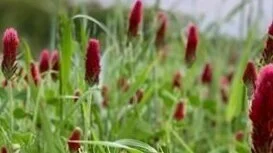
The timing of aerial seeding is critical for success. Late summer and early fall generally provide ideal conditions, particularly when adequate soil moisture is available. Moisture is one of the most important factors influencing germination and establishment. When seed is applied during favorable weather conditions, cover crops can begin developing root systems and producing growth before the cash crop is removed.
The extended growing period is one of the biggest advantages of aerial seeding. Even a few extra weeks of growth can significantly increase biomass production and root development. More biomass means greater protection against soil erosion during the winter months, while larger root systems help improve soil structure and support biological activity beneath the surface.
Another important benefit is the ability to seed fields when ground conditions are too wet for traditional equipment. Fall weather can be unpredictable, and excessive rainfall often limits field access. Because aircraft seed from above, they eliminate concerns about soil compaction and allow farmers to establish cover crops without driving equipment across wet fields. Thisflexibility can be especially valuable during years when weather delays harvest operations or narrows the planting window.
Cover crops also contribute to long-term soil health improvements. Their roots help create channels that improve water infiltration and reduce surface runoff. As cover crop residue breaks down, it adds organic matter to the soil, which can improve soil structure and water-holding capacity. Over time, these improvements can enhance the resilience of farming operations during both wet and dry conditions.
Environmental benefits extend beyond the farm field as well. Cover crops help capture and hold nutrients that might otherwise move into streams, rivers, and lakes. By reducing nutrient losses and erosion, cover crops contribute to improved water quality and support broader conservation goals throughout local watersheds.
While aerial seeding offers many advantages, success still depends on proper planning and management. Producers should carefully select cover crop species that match their goals and cropping systems. Factors such as planting date, expected weather conditions, herbicide history, and intended spring management should all be considered when developing a cover crop strategy.
For farmers interested in adopting or expanding the use of cover crops, Ashland Soil and Water Conservation District can provide technical assistance and information on best management practices. These resources can help producers determine appropriate seeding rates, species selection, and management techniques to improve the likelihood of successful establishment.

To assist local producers, the Ashland Soil and Water Conservation District will once again offer an aerial cover crop seeding program this fall. The district has scheduled aerial seeding for September 8, providing farmers with an opportunity to establish cover crops early and take advantage of favorable growing conditions.
The program is designed to help producers implement conservation practices that protect soil resources while supporting productive agricultural operations. By increasing the amount of time available for cover crop growth, aerial seeding can help farmers realize greater conservation and agronomic benefits from their investment.


Farmers who are interested in participating in the aerial seeding program or who would like additional information are encouraged to contact the Ashland Soil and Water Conservation District office. Staff members can answer questions regarding enrollment, eligible cover crop options, seeding recommendations, and program logistics.
For more information about the aerial cover crop seeding program scheduled for September 8, contact Zoey Dudte at 419-281-7645 or email us at h2ohio@ashlandcounty.org.