Grass Talks & Livestock Walks: What Your Pastures Are Telling You
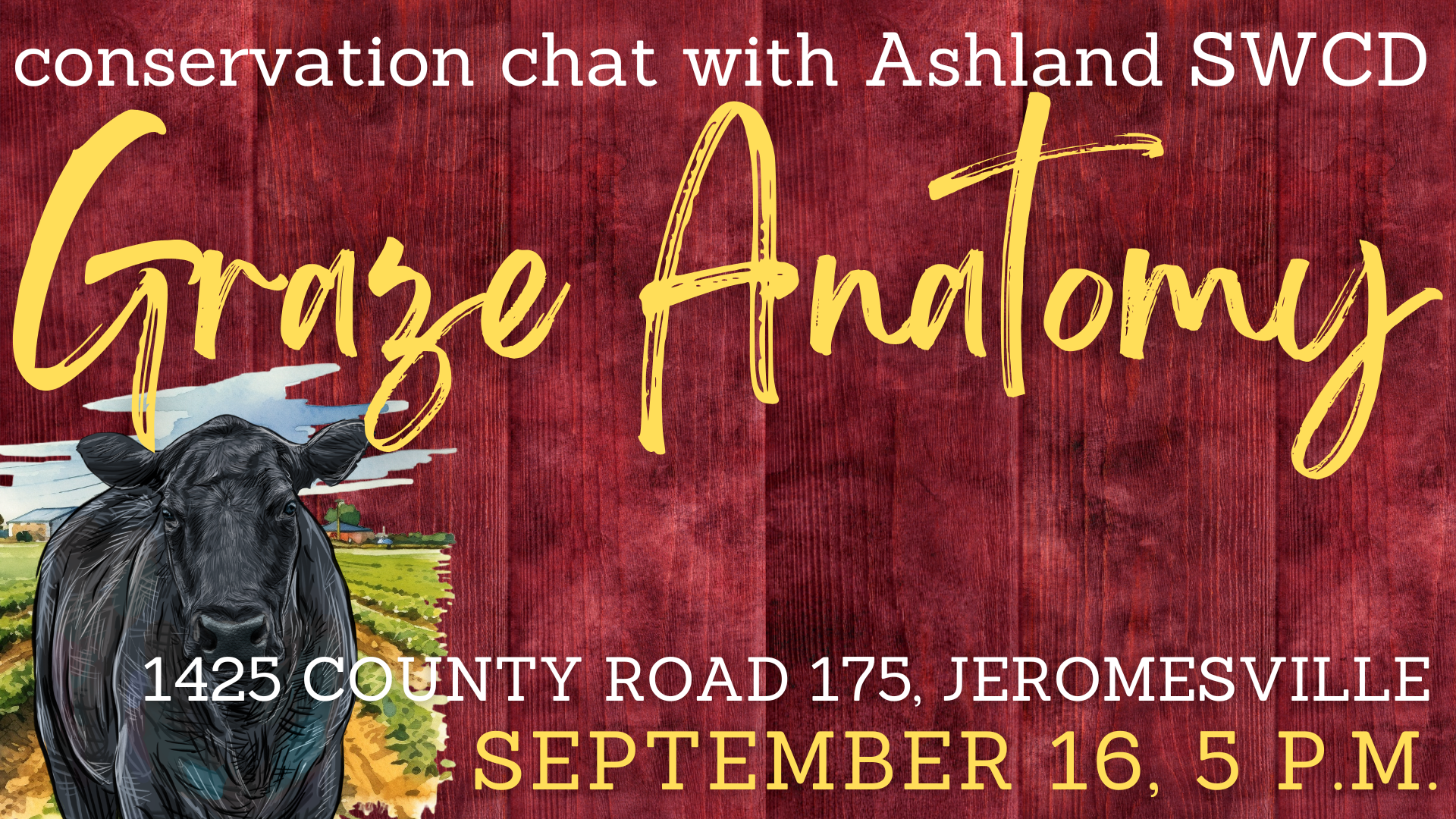
If pastures could talk, many of them would be having some pretty honest conversations right now. Some would shout from the nearest hilltop, "Look at all this lush forage!" Others might quietly whisper, "Help." And some might even resort to shouting, "Stop grazing me so short!"
Summer and early fall are great times to evaluate the health of your pasture. While it might be tempting to think of pastures as just the place livestock eat, when managed properly a pasture is actually one of the most effective conservation tools on the farm. Healthy pastures protect soil, improve water quality, reduce feed costs, and increase forage production. The key is learning to listen to what your pasture is saying.
To start with, bare soil is rarely a good sign. When you see bare ground, your pasture is asking for help. Every patch of exposed ground represents an opportunity for erosion, weed growth, and nutrient loss. During heavy thunderstorms, raindrops can hit exposed soil with surprising force, dislodging valuable topsoil and carrying nutrients into nearby streams and ditches.
Healthy pastures should maintain dense vegetative cover throughout the growing season. If you're seeing bare spots around gates, water tanks, feeding areas, or in paddocks, it may be time to adjust your stocking rates, improve rotational grazing practices, or consider reseeding problem areas.
Remember: nature dislikes bare soil. If good forage that you want isn't growing there, something else probably will. Weeds often get blamed for pasture problems, but they're usually more symptom than cause.
When weeds seem to be winning, there’s usually a reason. Many common pasture weeds thrive when good grasses and legumes are weakened by overgrazing, poor fertility, soil compaction, or inadequate rest periods. Before reaching for the sprayer, ask yourself those weeds appeared in the first place.
In many cases, improving grazing management and soil fertility can do more to reduce weed pressure than herbicide applications alone. Think of weeds as your pasture's check-engine light: they’re telling you something needs attention.
How much grazing is too much? Well, if your pasture looks like a putting green, you’ve grazed it too short. Many producers unintentionally overgraze by allowing livestock to continuously graze plants before they can recover.
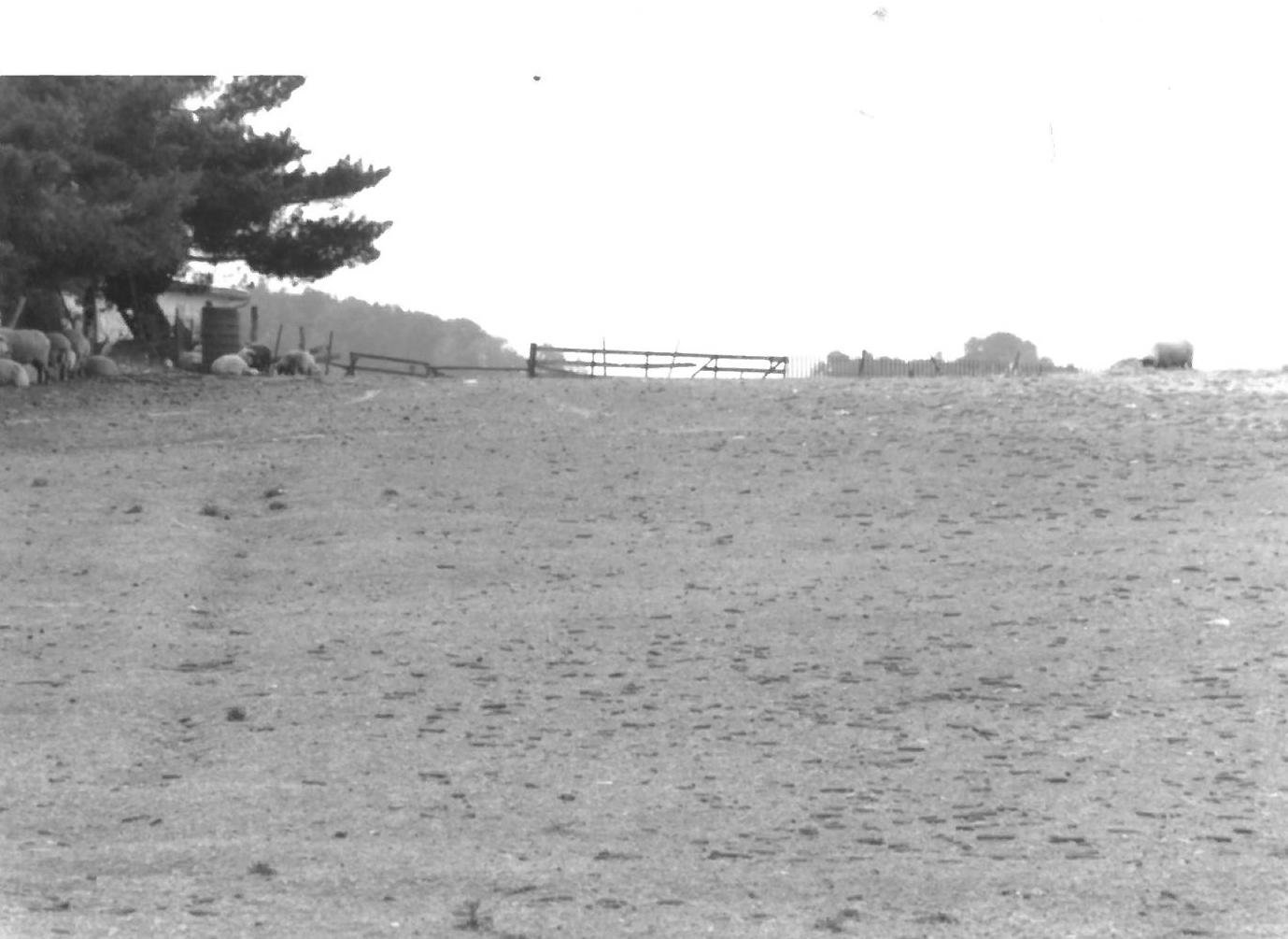
Overgrazing pastures results in poor pasture health and limits growth potential for forages.
Unlike a lawn mower, livestock don't evenly trim every blade. Animals repeatedly return to the most palatable plants, grazing them over and over while less desirable species mature untouched. This weakens the best forage species and reduces overall productivity.
As a general rule, try to leave 3 to 4 inches of residual height on cool-season grass pastures and allow adequate recovery time before returning animals to a paddock. And as a reminder, most of Ashland County’s pastures are cool-season pastures, which heaviest growth occurring in the early spring and fall and growth slowing during the “summer slump.”
Giving plants time to rebuild root reserves leads to healthier stands and more forage production over the long term. Sometimes the best grazing decision is knowing when not to graze.
When forage production declines, many producers focus on what they can see above ground. However, the real story is often below the surface. Soil fertility plays a major role in pasture productivity. Without adequate nutrient levels and proper pH, even the best forages will struggle.
That's why soil testing remains one of the most valuable and cost-effective management tools available. A soil test removes the guesswork and provides a roadmap for making informed fertility decisions. If it's been several years since your last soil test, your pasture may be trying to tell you it's time. And Ashland SWCD is here to help with our soil testing services and fertility recommendations
And if your livestock are spending their time standing in streams, your water quality is talking, too. Livestock naturally seek shade and water, but unrestricted stream access creates challenges for both animal health and water quality.
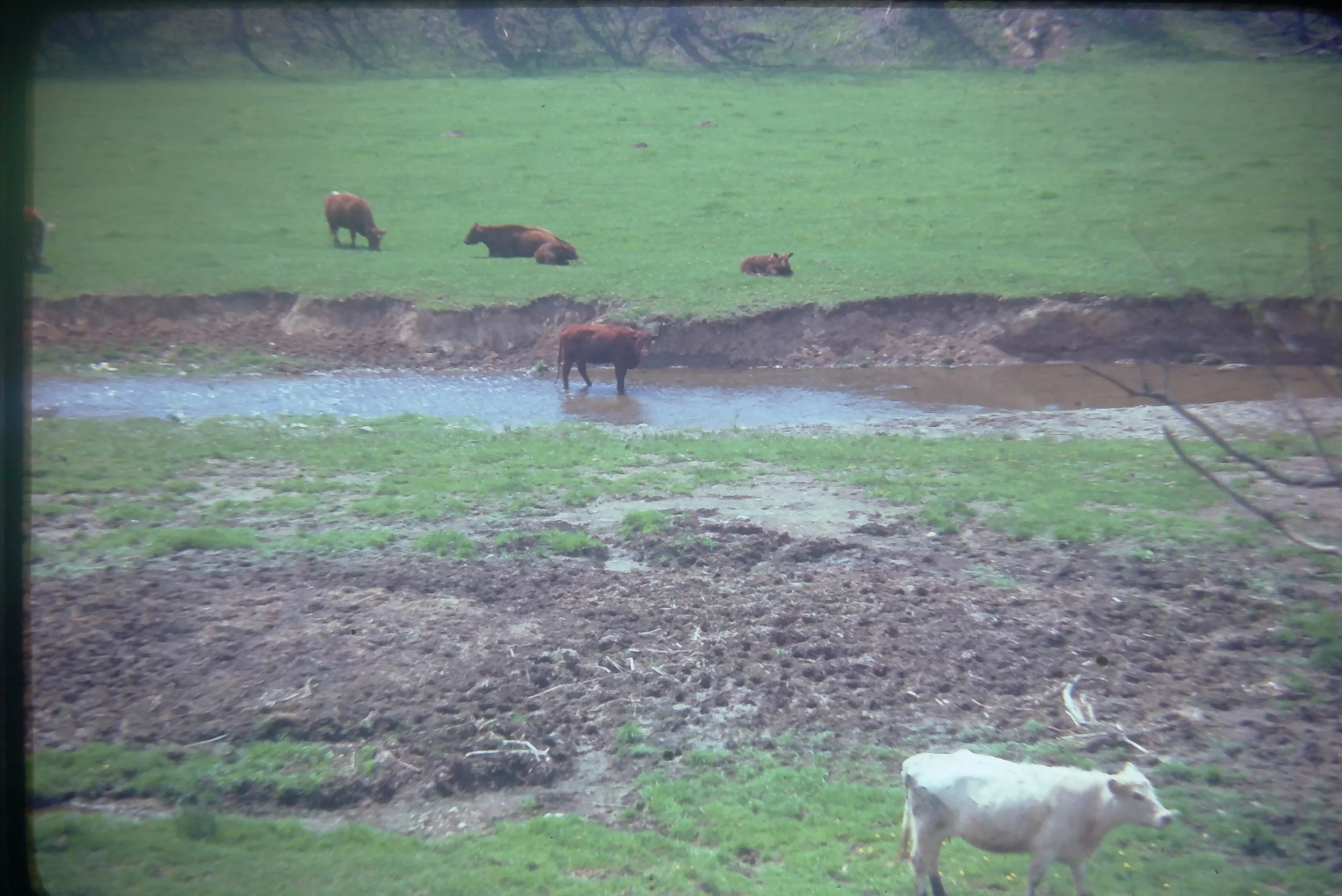
Livestock with unrestricted access to streams and waterways not only degrade water quality, but they contribute to erosion of valuable topsoil and can even result in poor animal health and rates of gain.
Streambank erosion, nutrient loading, and bacterial contamination often increase when livestock have direct access to waterways. Stream exclusion fencing and alternative watering systems can help protect streams while improving herd management and pasture utilization. The good news is that local farmers will soon have additional opportunities to implement these practices.
Ashland Soil and Water Conservation District was recently selected as a recipient of Ohio's H2Ohio Grazing Pilot Program. Through our Graze Anatomy initiative, more than $220,000 will be invested in grazing practices across Ashland County over the next five years.
The program is designed to help livestock producers improve pasture management while protecting water quality throughout the county's watersheds. Eligible producers will have access to cost-share opportunities for grazing management plan development, free pasture and hayland soil testing, and even100 percent cost-share funding for livestock exclusion fencing projects.
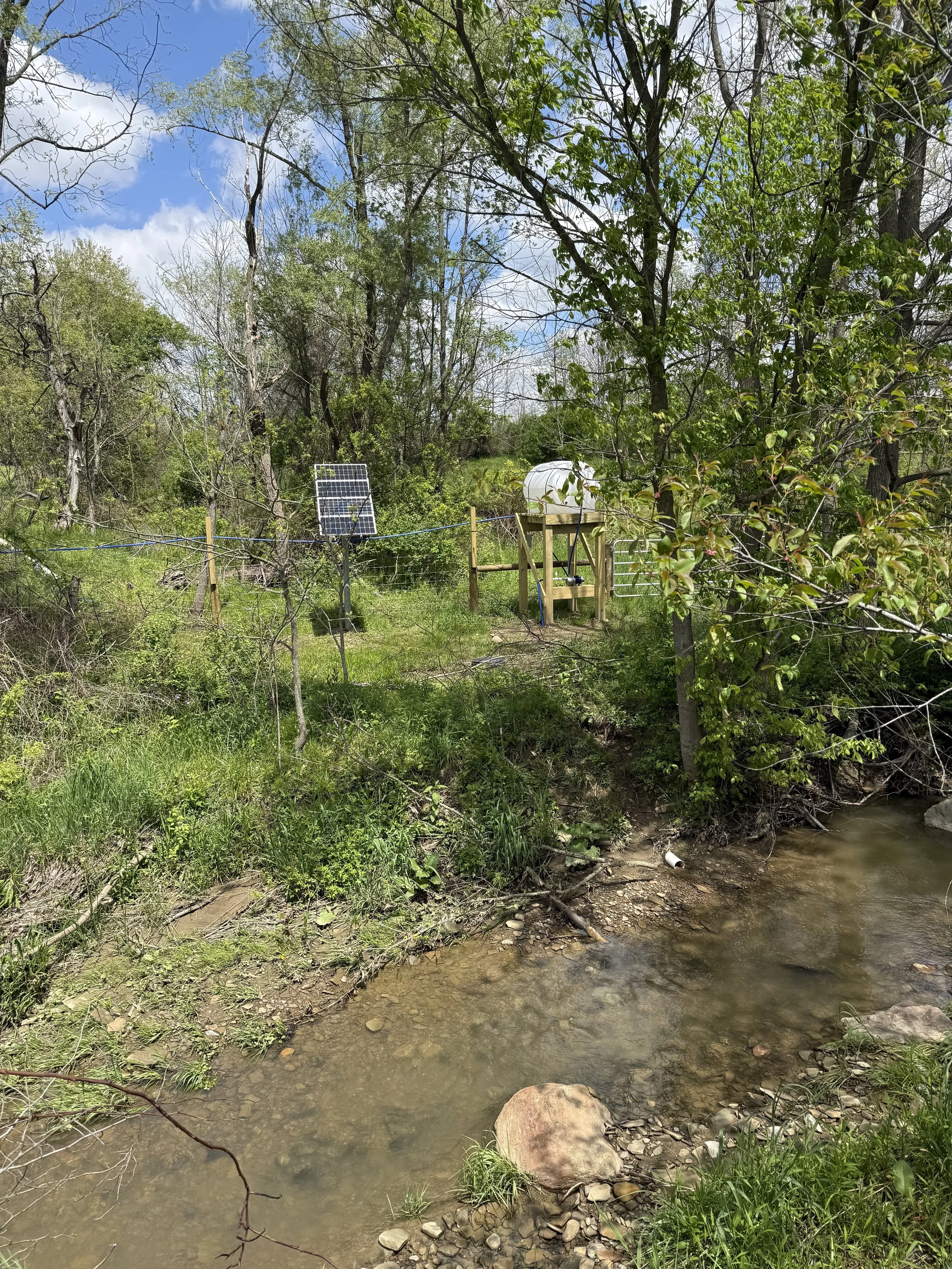
This recent livestock stream exclusion fencing project in Ashland County not only restricted livestock access to the stream, but it also included a solar watering system to provide off-stream drinking options for livestock.
These practices not only benefit local streams and rivers but can also improve forage utilization, reduce erosion, extend grazing seasons, and increase the long-term productivity of pasture systems. Whether you're managing a few acres of pasture or a large grazing operation, this program provides an opportunity to invest in both your farm and Ashland County's natural resources.
They key thing to remember is that it’s important to listen to what your pasture is telling you. Pastures don't come with warning lights, dashboards, or maintenance reminders. Instead, they talk through plant diversity, forage growth, soil cover, and livestock performance. The good news is that they're always saying something.
This summer and fall, take a walk through your fields. Look for bare soil, check grazing heights, identify weeds, evaluate forage density, and consider pulling a soil sample. A little observation today can prevent bigger problems tomorrow.
And if your pasture seems to be telling you it could use some help, Ashland SWCD is here to listen. Contact our office to learn more about available conservation programs, grazing assistance, and upcoming H2Ohio opportunities.
Your pasture has a story to tell. Sometimes all it takes is slowing down long enough to hear it.
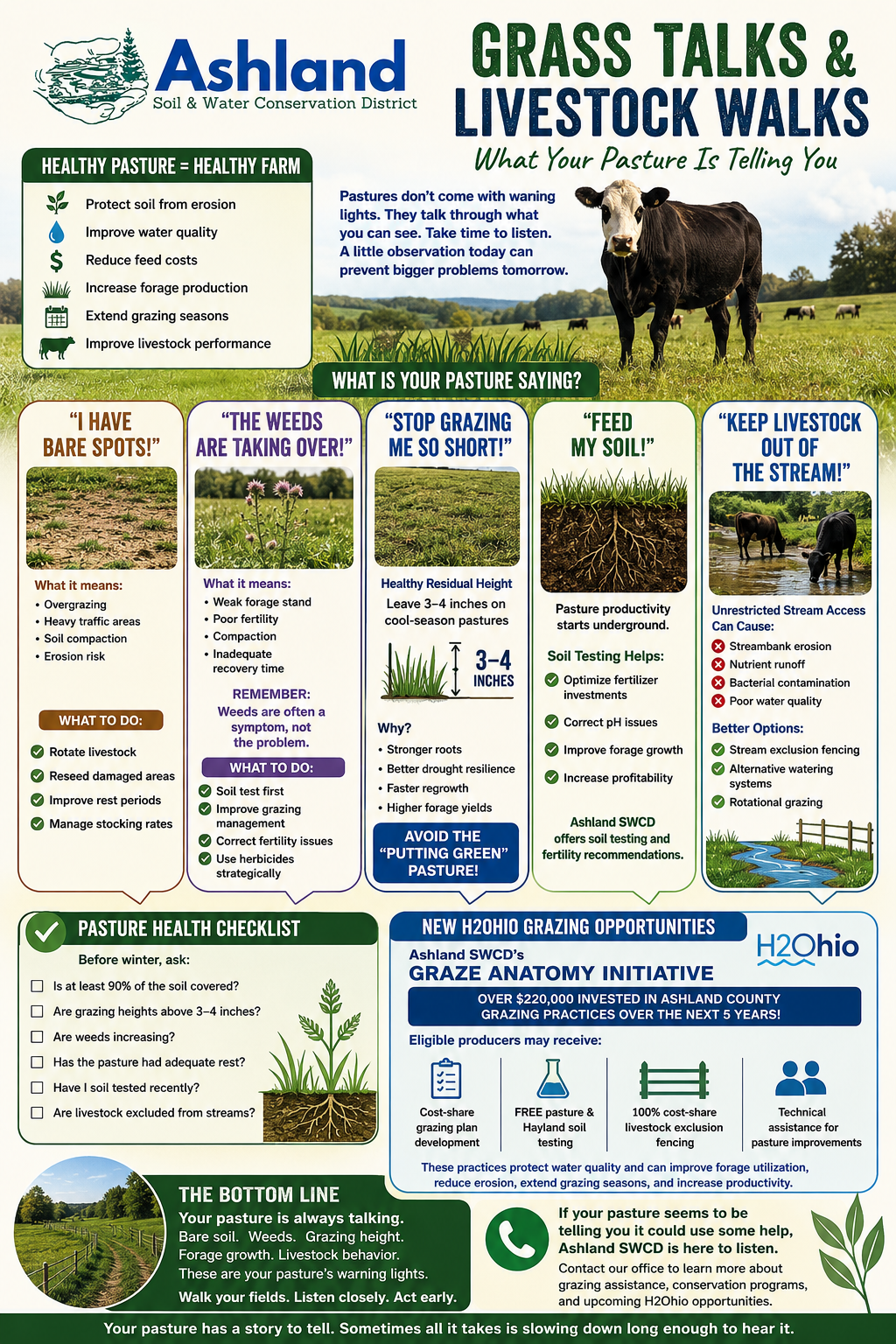
Check out all the ways your pasture talks and how Ashland SWCD can help you navigate that conversation.