Your Pasture Called. It Wants a Makeover.
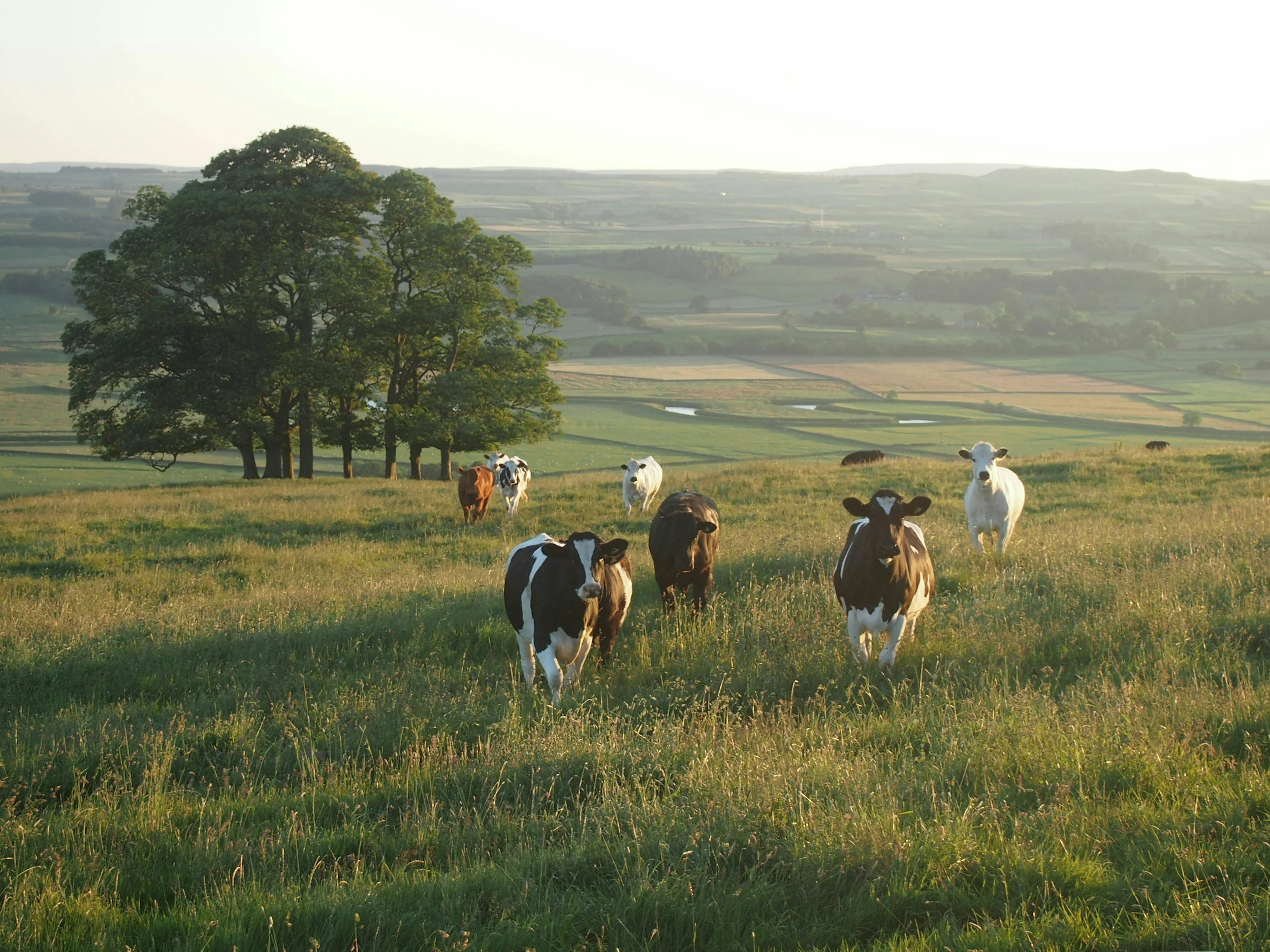
Every summer, about the time the grass starts turning a little crispy and livestock begin giving you that look over the fence line, I start hearing a familiar question: "What's the best way to fix my pasture?"
My answer is usually another question: "What's your pasture trying to tell you?"
Pastures have a way of communicating with us. They may not send text messages or leave voicemails, but they definitely leave clues. Thin stands, bare spots, weeds creeping in, muddy areas around gates and water tanks, and cattle grazing certain areas down to the dirt while avoiding others are all signs that your pasture may be asking for a makeover.
The good news? Most pasture renovations don't require starting from scratch. In fact, some of the most productive pastures in Ashland County weren't rebuilt overnight. They were improved one management decision at a time.

The first place I encourage producers to start is with a soil test. I know—soil testing isn't exactly the most exciting part of farming. Nobody has ever called me and said, "Jane, I can't wait to spend my afternoon collecting soil samples." But if you're serious about improving your pasture, it's the best investment you can make.
Think of it like taking your truck to the mechanic. If the check engine light comes on, you don't randomly replace parts and hope for the best. You find out what's wrong first. The same principle applies to your pasture.
Every year, we see producers spend money on seed or fertilizer without knowing what their soil actually needs. Sometimes the issue isn't a lack of forage species at all—it's low pH or nutrient deficiencies preventing desirable plants from thriving. A simple soil test can save time, money, and frustration while helping you develop a plan that actually addresses the problem.
The good news is that Ashland SWCD offers soil testing. Kits can be picked up and dropped off at our office or at McKay machine. And sometimes, we can even connect you with cost-share options that pick up the bill when it comes to soil testing your pasture.

Once you've looked below the surface, it's time to take a closer look at what's growing above it. One of the biggest misconceptions about pasture management is that every field should look like a perfectly manicured lawn. In reality, diversity is often one of a pasture's greatest strengths.
Different forage species bring different benefits to the table. Cool-season grasses provide excellent spring and fall growth. Legumes like red and white clover help improve forage quality while naturally supplying nitrogen. Deep-rooted species can access moisture during dry periods when shallow-rooted plants begin to struggle.
In many ways, a diverse pasture is like a good investment portfolio. When conditions change, not every species performs the same way. Having a variety of plants helps spread risk and build resilience.
Of course, sometimes that diversity includes plants we'd rather not have. When weeds start taking over, many people immediately think herbicide. While herbicides certainly have their place, weeds are often a symptom rather than the actual problem.
Nature hates bare soil. If desirable forage species leave an opening, something will fill it. Often, weeds are simply taking advantage of overgrazing, compaction, poor fertility, or weakened forage stands. Addressing those underlying issues is frequently the most effective long-term weed control strategy.

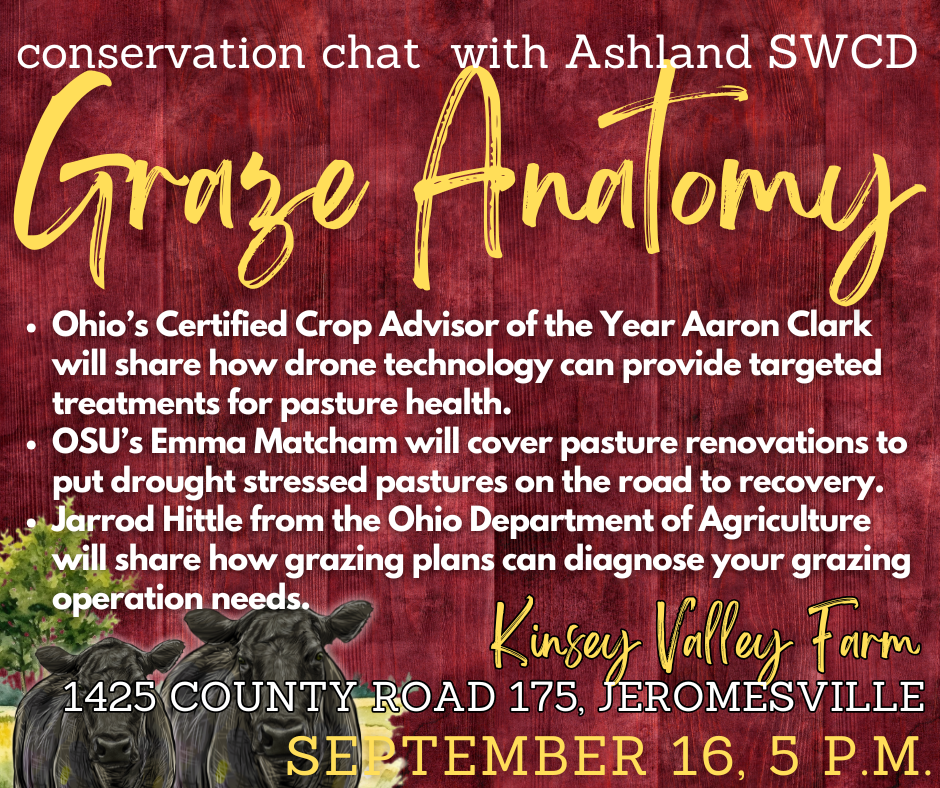
At our September 16 Conservation Chat: Graze Anatomy, we’re bringing Ohio Certified Crop Advisor of the Year Aaron Clark to talk to producers about using drone technology to treat and improve your pasture, including weed control.
And that brings us to what may be the most overlooked pasture renovation tool of all: grazing management. I've visited plenty of farms where producers were ready to buy seed when what their pasture really needed was a vacation.
Plants need time to recover. When livestock continuously graze the same areas without adequate rest periods, desirable species gradually lose vigor. Their root systems shrink, production declines, and eventually less desirable plants move in. It's a little like expecting an athlete to perform at their best after running a marathon every single day.
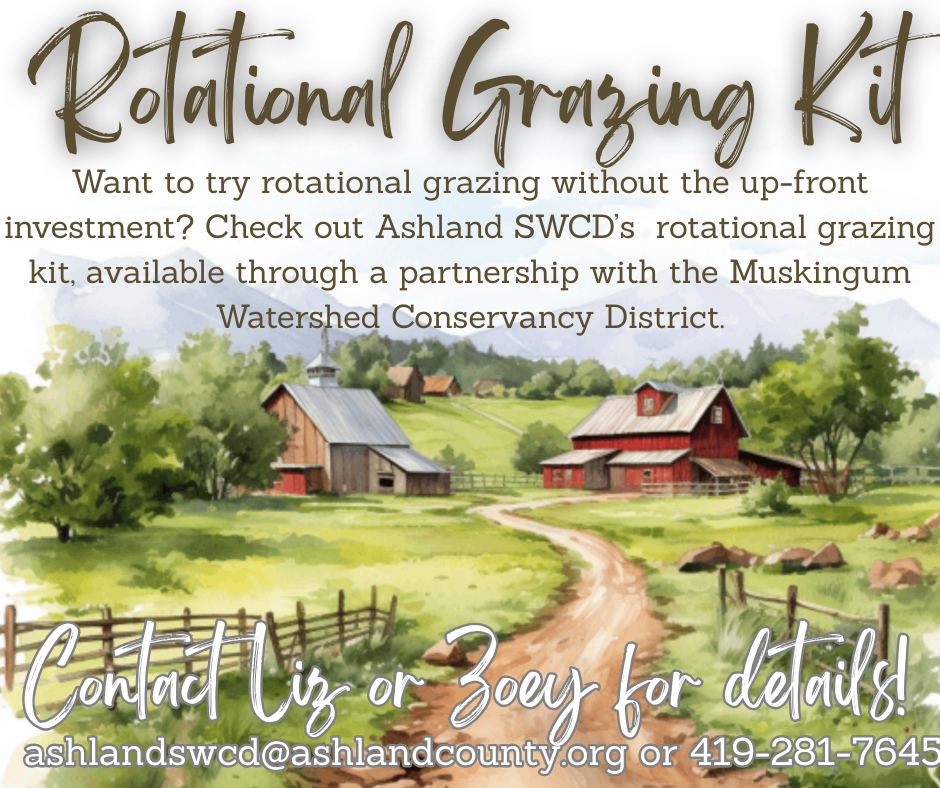
Rotational grazing helps break that cycle by allowing plants to recover between grazing events. Even small changes in grazing management can have a dramatic impact on forage production, pasture health, and livestock performance.
I've seen producers amazed by the difference that a little rest can make. That’s why our office is excited to offer a rotational grazing kit for producers to try—for free! Farmers can work with Zoey Dudte and Joe Christner in our office to develop a grazing management plan and can then try out our rotational grazing kit for free and see the difference rotational grazing makes for themselves.
Another valuable renovation tool is frost seeding. While we're still several months away from frost-seeding season, now is actually the perfect time to start planning. Frost seeding takes advantage of the natural freeze-thaw cycles that occur during late winter and early spring. As the soil expands and contracts, seed is worked into the soil surface with minimal equipment and disturbance.
Red clover has long been the star of frost-seeding projects throughout Ohio. It's relatively easy to establish, improves forage quality, contributes nitrogen, and can help fill thin areas in existing stands. The best frost-seeding projects begin now—with soil testing, grazing management improvements, and identifying fields that will be good candidates when seeding season arrives.
We'll also be diving deeper into these topics and more, including pasture renovations that can put drought-stressed pastures on the road to recovery during our upcoming Graze Anatomy Conservation Chat on September 16 at Kinsey Valley Farm. Producers will have an opportunity to learn about grazing systems, pasture improvement strategies, and available conservation funding while hearing directly from experts and fellow farmers who are putting these practices to work.

Healthy pastures do more than feed livestock. They reduce erosion, improve water quality, increase drought resilience, and help keep nutrients where they belong. They also make farms more productive and profitable. That's a pretty impressive return from a field that often gets overlooked.
So if your pasture has been trying to get your attention this summer, maybe it's time to listen. It may not need a complete overhaul. It might simply need a soil test, a little rest, some added diversity, and a thoughtful makeover plan.
And unlike most renovation projects, this one has a good chance of coming in on budget and improving with age.