The Fish Are Counting on You: Why Fall Is the Time to Get Your Pond in Order
There is something about standing beside a pond in August that makes winter seem impossible. The sun is hot, the frogs are still hollering, and the fish are hopefully biting. Yet, believe it or not, this is exactly the time to start thinking about fall—and what your pond will look like when spring rolls around.
If your summer fishing has been fantastic, congratulations! If you have spent more time staring at your bobber than actually watching it move, well… your pond may be trying to tell you something.
Fall is an excellent time to evaluate your pond, consider its fish population and make a plan for stocking. But good pond management is about more than simply dumping a bunch of fish in the water and hoping for the best. Stocking rates, species selection, habitat, water quality, vegetation and the age of your pond all matter.
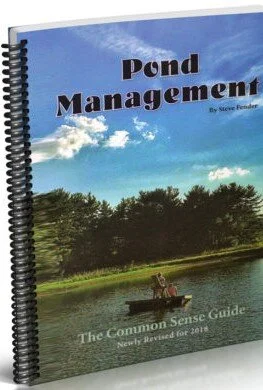
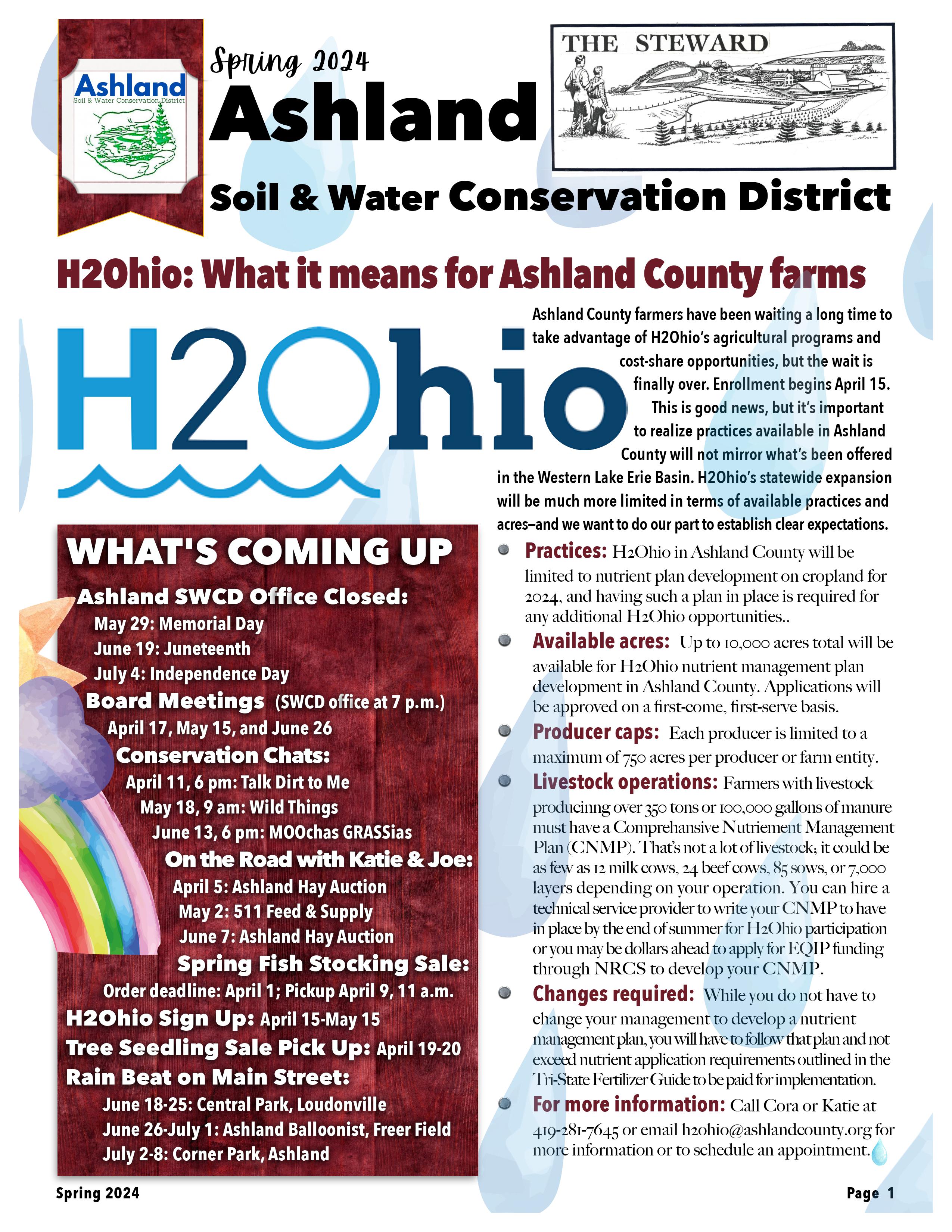
Many soil and water conservation districts offer fish stocking sales. In Ashland, we have both spring and fall fish stocking sales and we purchase our fish from Fender’s Fish Hatchery. Steve Fender knows a thing or two about ponds: he literally wrote the book on pond management. And his advice starts with two species that work particularly well together: largemouth bass and bluegill.

For an established pond, Fender recommends stocking approximately 100 largemouth bass and 200 bluegill per surface acre. These two species form a relationship that can help create a balanced fishery. Bluegill provide forage for bass, while bass help keep bluegill populations from getting out of balance. When managed correctly, that predator-prey relationship can sustain a healthy fish population for generations.
But maybe bass and bluegill aren't enough variety for you.
Yellow perch can be stocked at 100 per surface acre and can add both variety and another tasty fish to your pond. Perch may reproduce if they have a good food base, access to supplemental pellets and plenty of structure for cover, but they generally require periodic restocking.
Ashland SWCD also offers fish food for sale. After all, if you're going to raise fish, you might as well give them a little help growing into the big ones you're hoping to catch next summer.
Channel catfish can also be stocked at 100 per surface acre. Fender recommends them for pond owners who actually plan to fish for and eat them. Why? Catfish can consume bluegill and potentially reduce the forage base available for bass. On the upside, those 4- to 6-inch fingerlings can reach 15 to 16 inches by the end of the following summer under good conditions.
Then there are redear sunfish, or shellcrackers, stocked at 100 per acre. Their claim to fame isn't just their distinctive red ear flap. They also eat snails, which can serve as hosts for parasites. Fewer snails can mean fewer potential parasite problems.
For anglers who like an aggressive bite, hybrid bluegill are another option. Fender's general rule is simple: stock about as many as you want to catch in a summer. They grow quickly, fight hard and are good eating—but because they are hybrids, they will eventually need periodic restocking.
New ponds have another important piece of the puzzle: fathead minnows. Stock approximately 1,000 per surface acre. They reproduce prolifically and provide an early food source for larger fish. Unfortunately, their success is also their downfall. They sit at the bottom of the food chain, so larger fish eventually turn them into lunch.
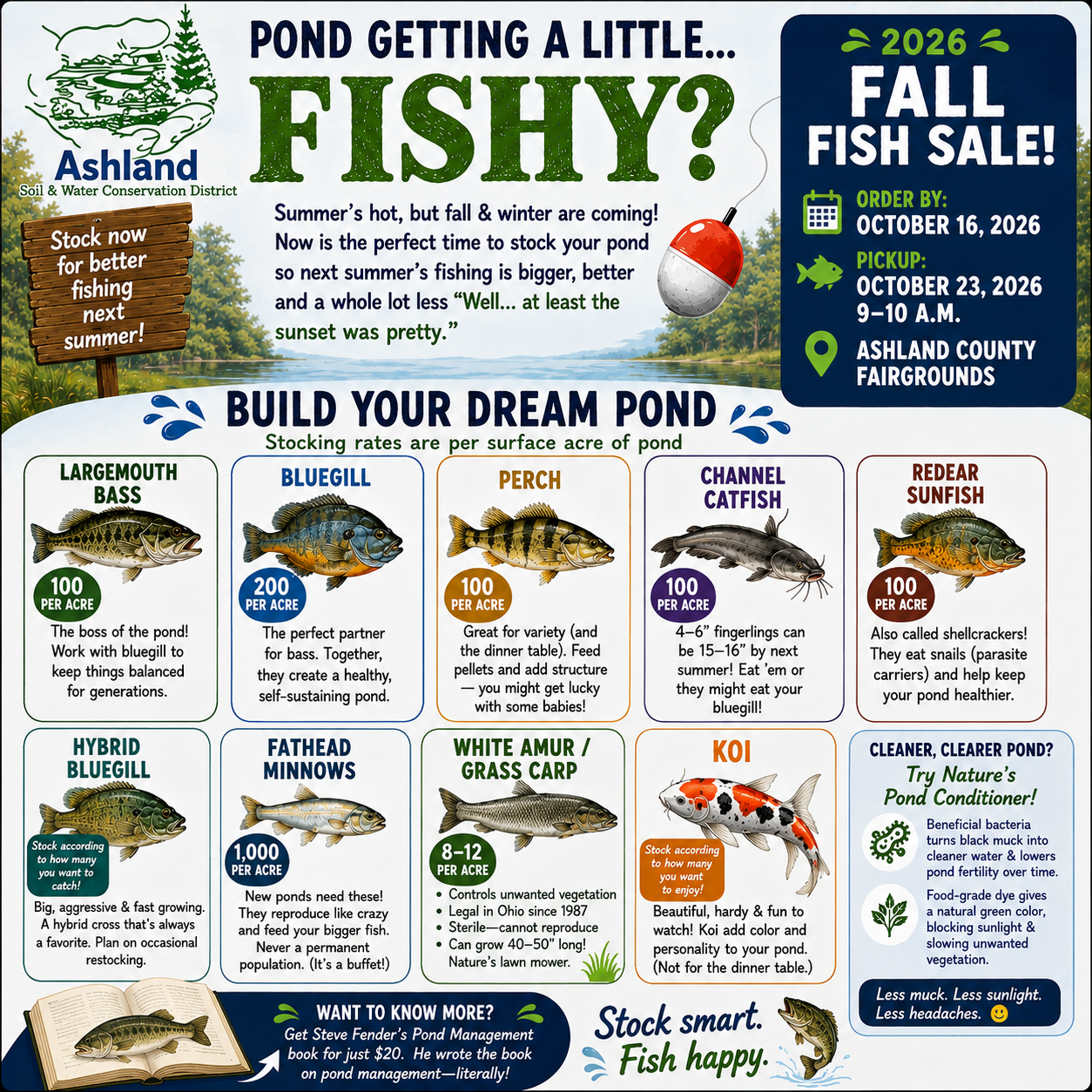
If aquatic vegetation has taken over your pond, white amur, or grass carp, may help. Fender recommends 8 to 12 per surface acre. The grass carp sold through our fish sale are sterile, meaning they cannot reproduce, and they can reach 40 to 50 inches long. Think of them as the pond's very large, very hungry lawn mowers.
Of course, stocking fish won't fix every pond problem.
Before you add fish, take a good look at the pond itself. Is sediment filling in the shallow areas? Is vegetation becoming excessive? Is the water excessively fertile? Is there enough habitat and cover for fish? Are you seeing signs of an unhealthy fish population? A healthy pond starts long before the fish arrive.
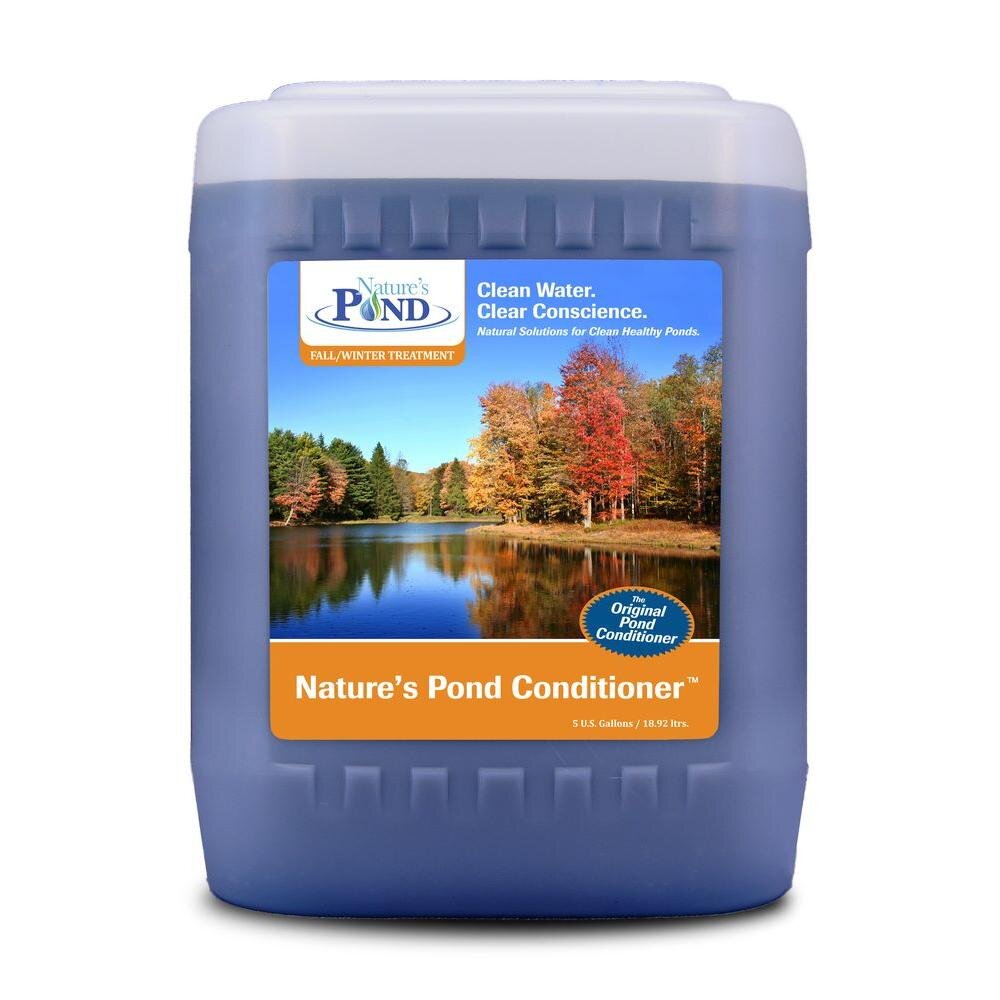
Fall is also a good time to address pond fertility and organic muck. Ashland SWCD offers Nature's Pond Conditioner through our spring and fall sales. This product combines beneficial bacteria to help break down black muck over time with a food-grade dye that helps block sunlight and slow unwanted vegetation growth.
And if you want to become a better pond manager, we offer Steve Fender's Pond Management book for $20. Sometimes the best way to catch more fish is to learn what's happening beneath the surface first.
So while you're enjoying those last warm days beside the pond, take a few minutes to look beyond the bobber. Think about what your pond needs now to be healthier next spring—and more productive next summer.
Because good fishing doesn't just happen. It starts with good pond management.