5 Things to Check Before Harvest Begins
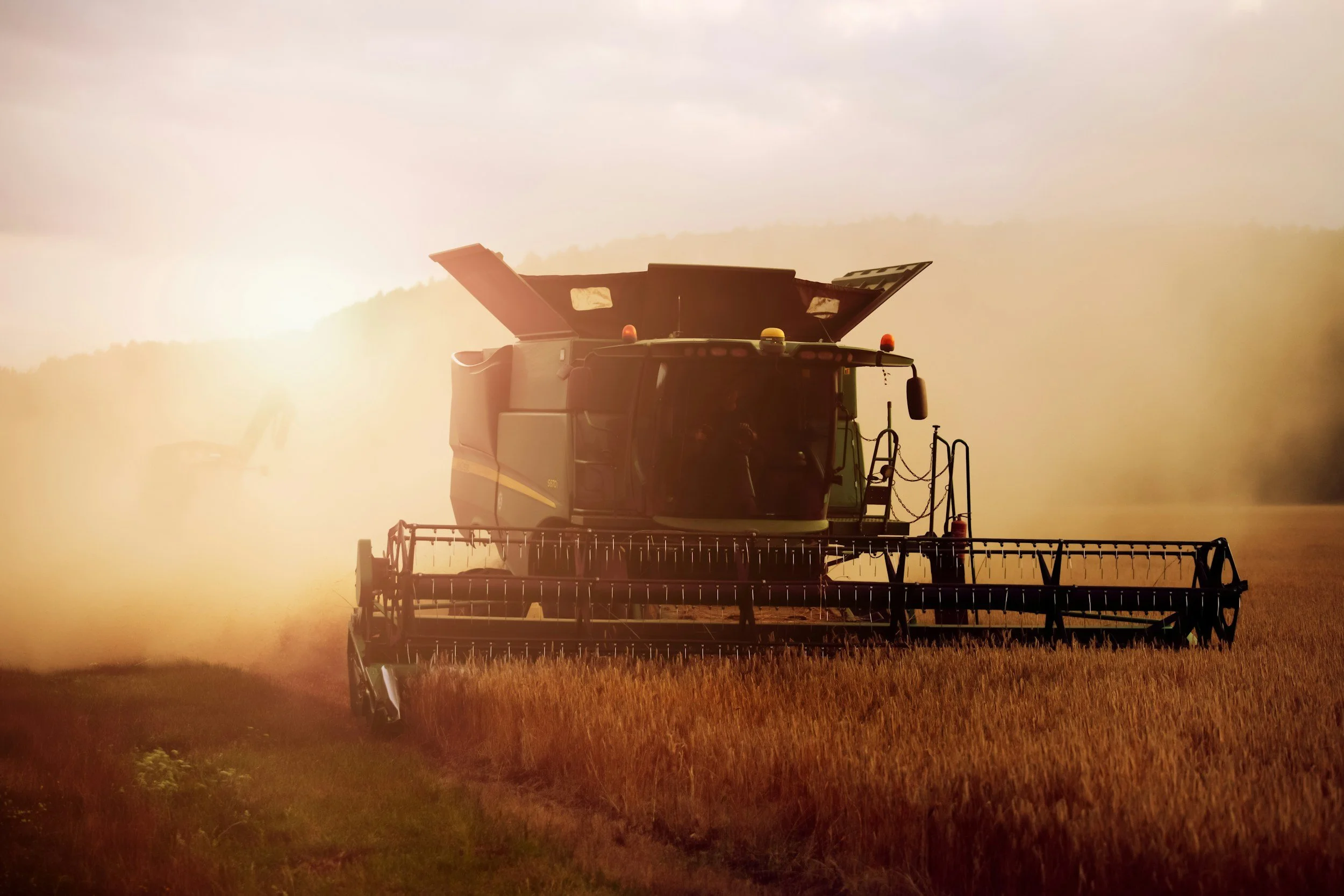
August is farming's version of the deep breath before the sprint. Harvest is just around the corner.
Combines are getting their annual tune-up. Gravity wagons multiply overnight. Coffee shops somehow sell even more coffee than usual. And every conversation eventually starts with, "If the weather will just cooperate..."
While everyone is understandably focused on making sure the equipment is ready to roll, there are things outside the machine shed that deserve just as much attention. A quick walk around the farm today can save hours—or even days—of frustration once the combines start rolling.
Here are five things to check before harvest begins:
1. Walk Your Waterways
Ashland County has seen its share of heavy summer rains and it’s share of dry weather. Some storms dump inches in no time and disappear like nothing happened. When that much water moves across a field, grassed waterways become the unsung heroes.
Walk through them before harvest. Look for washouts, bare spots, rills, or places where sediment has collected. They're much easier to repair now than after a loaded grain cart discovers them the hard way.
2. Follow the Water
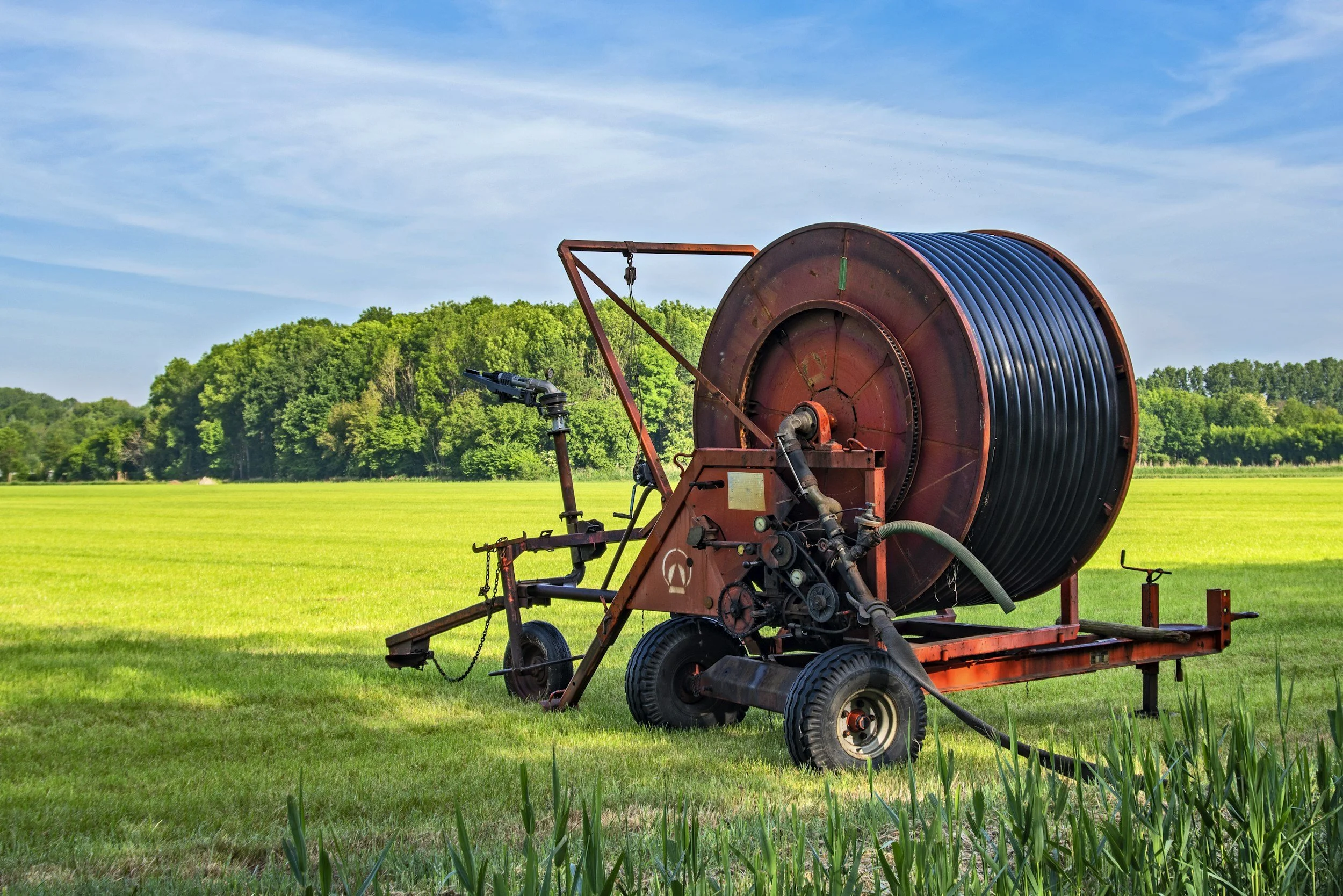
Next, go visit the places you usually don't think about until they're causing problems. Check tile outlets. Peek into culverts. Walk field ditches. Water always finds the weakest link. The trick is finding it first.
3. Pull a Soil Test Instead of Pulling Your Hair Out
Too often we see farmers spending money on fertilizer and inputs their crops don’t need because those nutrients are already in their soil; they just don’t know it because they haven’t soil tested. Harvest is one of the best times to start planning next year's crop.

Soil tests takes the guesswork out of fertility decisions and save money by putting nutrients where they're actually needed—not where we assume they’re needed. But those results are only as good as the follow-through. Do your own research; if your soil test reads 150 ppm Phosphorus, science tells us you don’t need to apply Phosphorus to next year’s crop just because that’s the way you’ve always done it.
Soil testing is one of the simplest—and smartest—conservation tools. You can get your soil tested through your local ag retailer or through our office. Soil test kits can be picked up and dropped off at our office or at McKay Machine.
4. Have a Plan for What Comes After Harvest
Harvest may feel like the finish line, but your soil knows it's only halftime. If you're thinking about cover crops, figure out your goals now. Are you trying to reduce erosion? Build organic matter? Capture leftover nutrients? Extend grazing? Every farm has different objectives, and the best cover crop mix is the one that matches your operation—not your neighbor's.
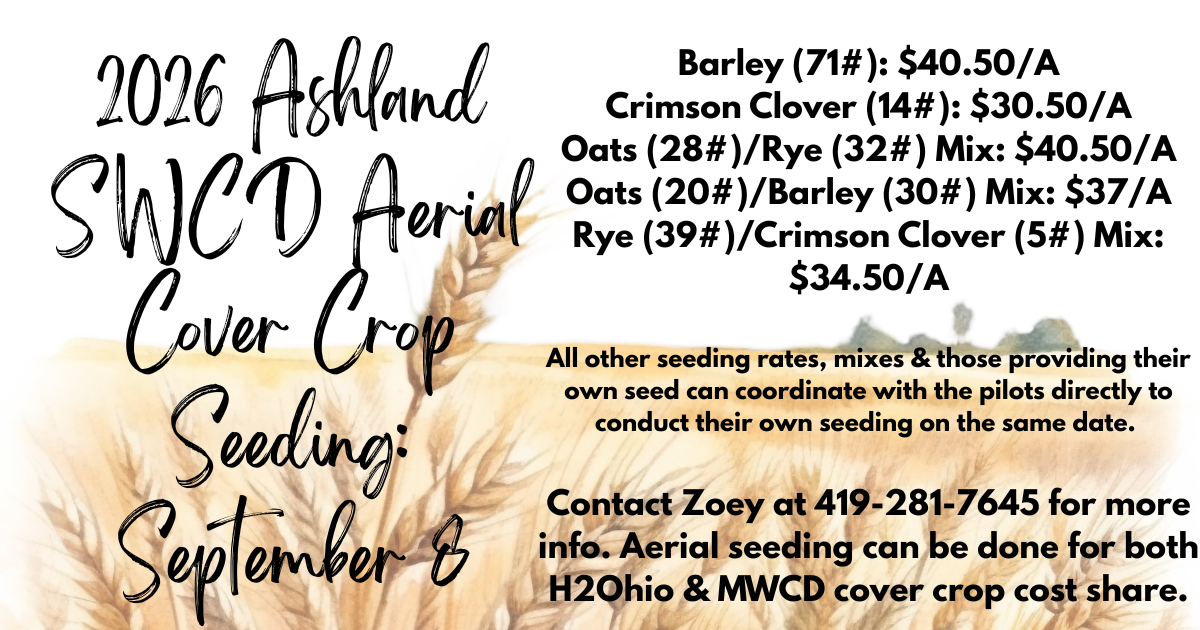
The best time to plant a cover crop is before you need one. That's why we've spent so much time this year talking about cover crops, aerial seeding, and soil health at our Conservation Chats. The producers seeing the greatest success are the ones making their plans before harvest gets hectic. If you’re worried about running out of time to get your cover crops planted, be sure to reach out to our office to get enrolled in our aerial cover crop seeding program.
5. Fix the Little Things
Harvest turns tiny inconveniences into major events, whether it’s a field entrance that's a little rough, a limb hanging a little lower than last year, a culvert that's almost plugged, or a fence that's leaning just enough to make you say, "I'll fix that later.” Spoiler alert: "Later" usually arrives during the busiest week of harvest.
And while you're making that walk around the farm, look at your pastures, too. August is when many of our cool-season grasses are patiently waiting for cooler temperatures to kick back into gear.
A quick walk through the pasture now can tell you a lot about grazing pressure, bare spots, and whether it's time for a soil test or a new grazing plan before fall growth begins. That's exactly why we're excited to host our upcoming Graze Anatomy Conservation Chat September 16, where local producers can see practical grazing management ideas in action. Learn more and RSVP today at grazeanatomy.eventbrite.com
Conservation isn't always about installing something new. More often, it's about paying attention. It's catching small problems before they becomes expensive ones. It's making one more trip around the farm before harvest instead of one more trip to the parts store during harvest.
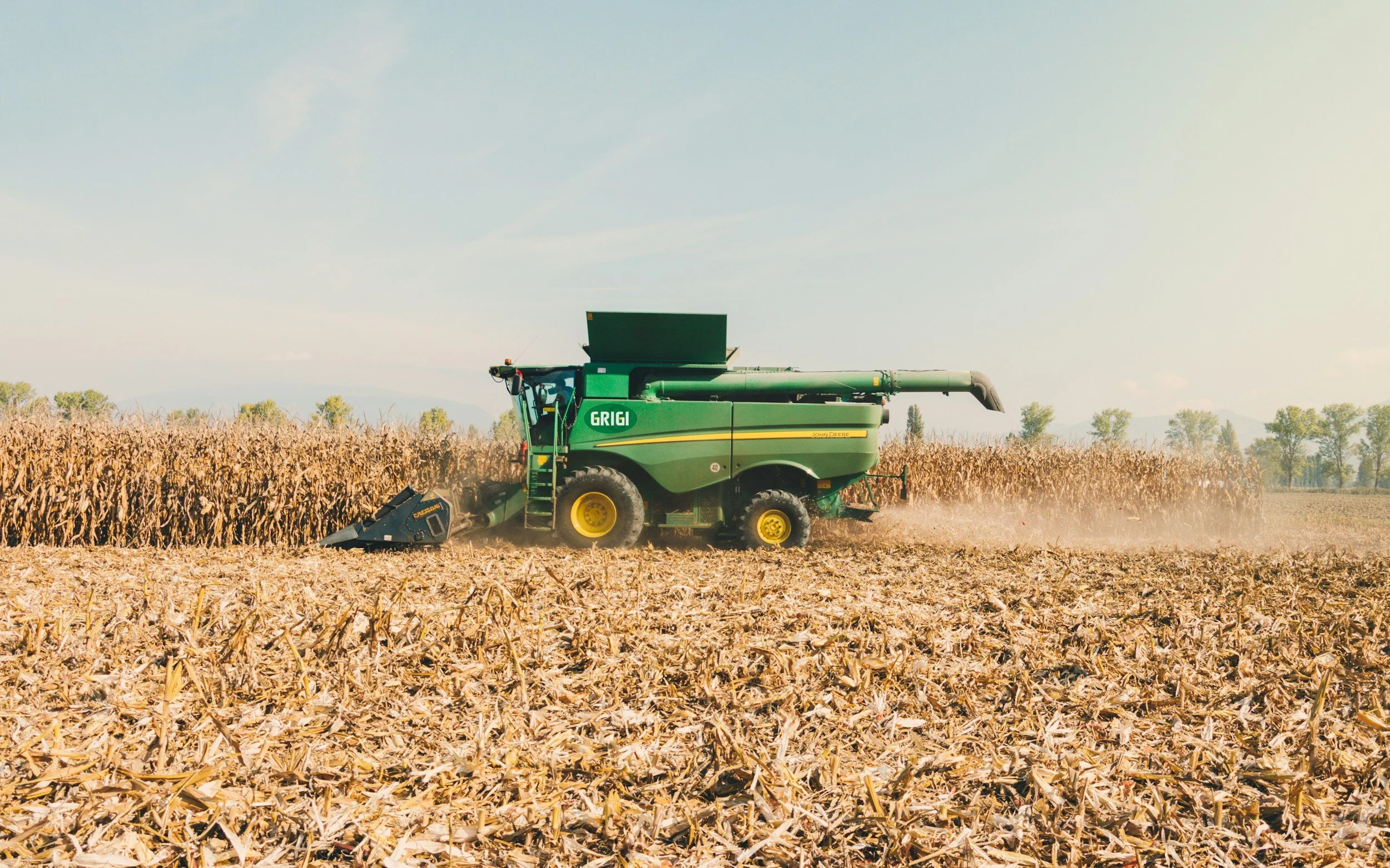
I hope Mother Nature gives us a safe, productive harvest season here in Ashland County. I hope your yields surprise you—in a good way. I hope every wagon makes it safely from the field to the bin, and everyone makes it safely home each night.
So before you climb into the combine, take one more lap around the farm. Walk a waterway. Check a culvert. Pull a soil sample. Make a cover crop plan. Your October self—the one surviving on coffee, gas station pizza, and about four hours of sleep—will be grateful.