Spring Stocking Guide: How to Prepare Your Pond for a Healthy Season Ahead
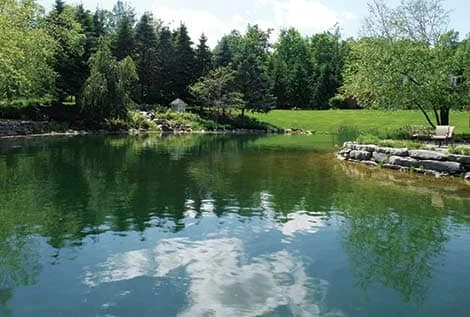
As winter loosens its grip on northern Ohio, pond owners are preparing for one of the most important times of the year: spring stocking. A successful stocking plan not only improves fishing but also supports long-term pond health.
Cold winters actually play a beneficial role in pond ecosystems. Extended cold periods push fish into dormancy, slowing metabolism and reducing stress-related illnesses.
Before adding fish, pond owners should focus on habitat. Shallow areas between 2 to 6 feet deep are critical for spawning and protecting hatchlings. Installing natural structures such as brush piles, rock piles, or artificial habitat structures in these zones helps shield young fish from predators and increases survival rates.
Stocking fathead minnows is another smart early-season strategy. As predator fish warm up and resume feeding, minnows provide a food source that reduces pressure on newly hatched fish. They also promote pond growth and establish a healthy forage base.
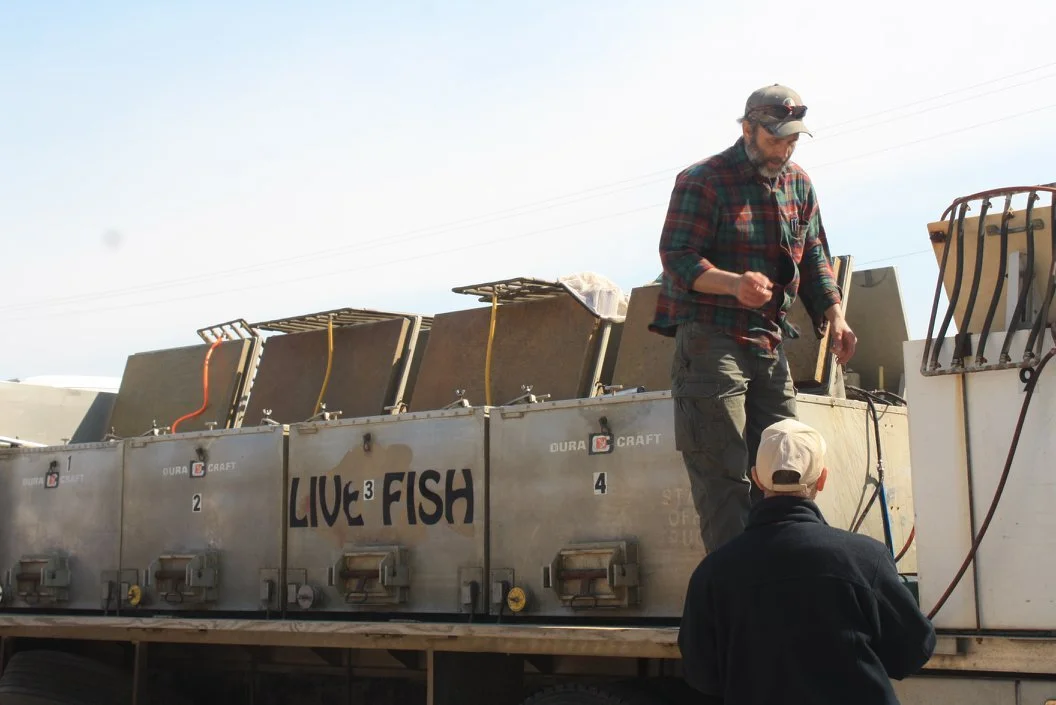
Choosing the right mix of species is essential for balance:
White Amur (Grass Carp) - Amur are excellent for vegetation control. All fish sold at the Ashland SWCD annual sale are sterile. It is recommended that you have 8-12 Amurs per surface acre.
Largemouth Bass & Bluegill - Bass and Bluegill are a classic pairing that counterbalance each other. It is recommended that you have 100 bass and 200 bluegill per surface acre.
Yellow Perch - Perch are great for fishing and table fare. They are capable of reproducing, but usually have a lower survival rate. It is recommended that you stock at at rate of 100 per surface acre.
Black Crappie -Crappie are a popular sport fish. It is recommended you stock them at a rate of 100 per surface acre.
Channel Catfish - Catfish are ideal for anglers who enjoy catching and eating fish, but not recommended for ponds if you do not intend to remove any. It is recommended that you have 100 per surface acre.
Shellcrackers (Redear Sunfish) - Shellcrackers are great at consuming snails, and therefore helping reduce parasite issues. The recommended stocking rate is 100 per surface acre.
Hybrid Bluegill - Hybrid Bluegill are excellent for recreational fishing. It is recommended to have 100 per surface acre.
Fathead Minnows - Minnows are a key forage fish to support predators coming out of dormancy, it is recommended they are offered in the spring and again in the fall to help with pond growth and prepping fish for winter.
The Ashland Soil and Water Conservation District is hosting its Annual Fish Sale in partnership with Fender's Fish Hatchery. Orders can be placed online at ashlandswcd.com or at the district office, with pickup scheduled for:
April 17th, 10:30- 11:30 a.m.
Ashland County Fairgrounds
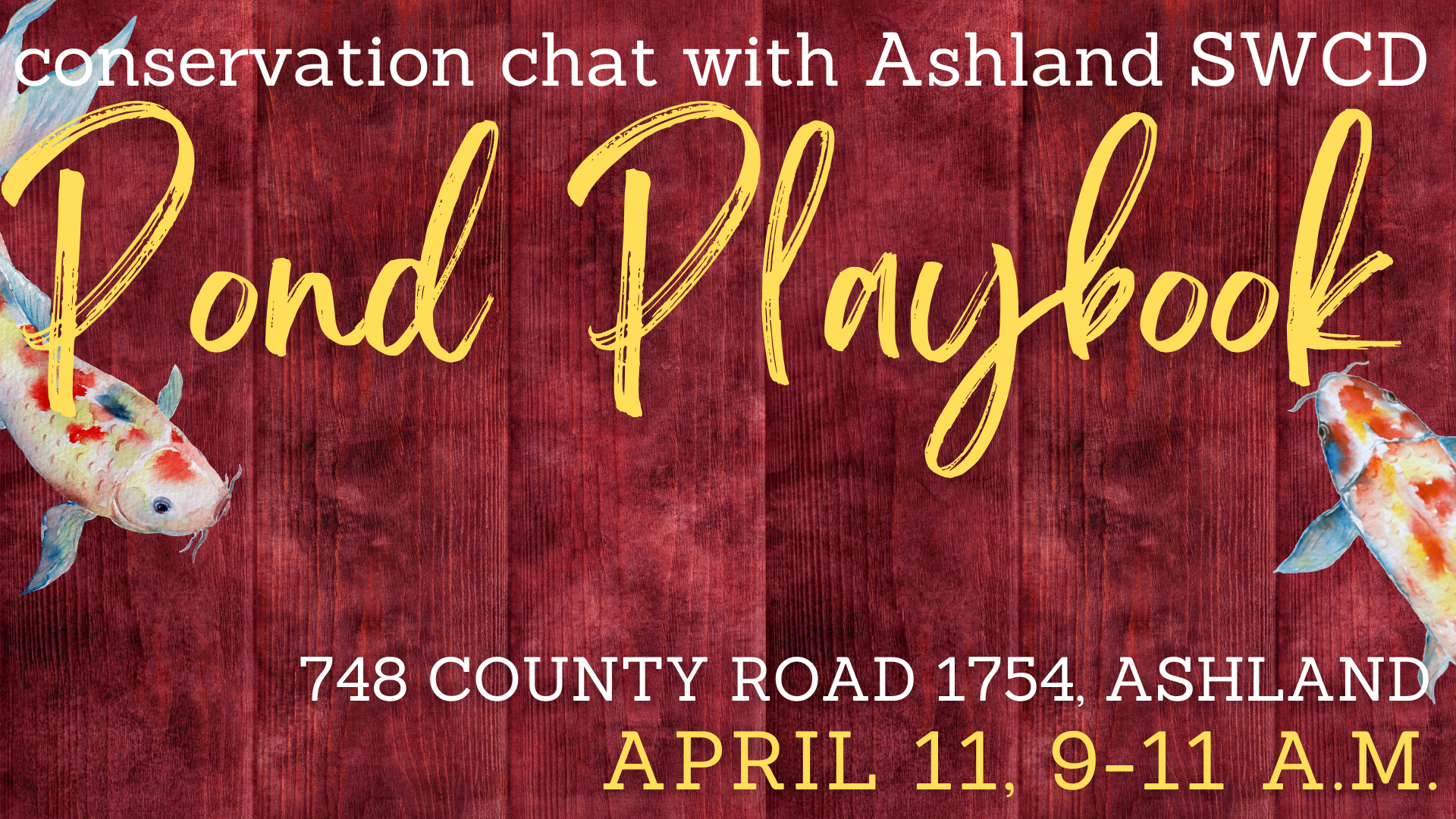
Pond owners can also attend the upcoming Conservation Chat hosted by Ashland SWCD, Pond Playbook on:
April 11th, 9 a.m.- 12 p.m.
Featuring Steve Fender of Fender’s Fish Hatchery
At the Davy McClure Education Center, Tom Kruse Wildlife Conservation Park
748 County Road 1754, Ashland, Ohio 44805
The workshop will focus on keeping ponds healthy and fish populations thriving.
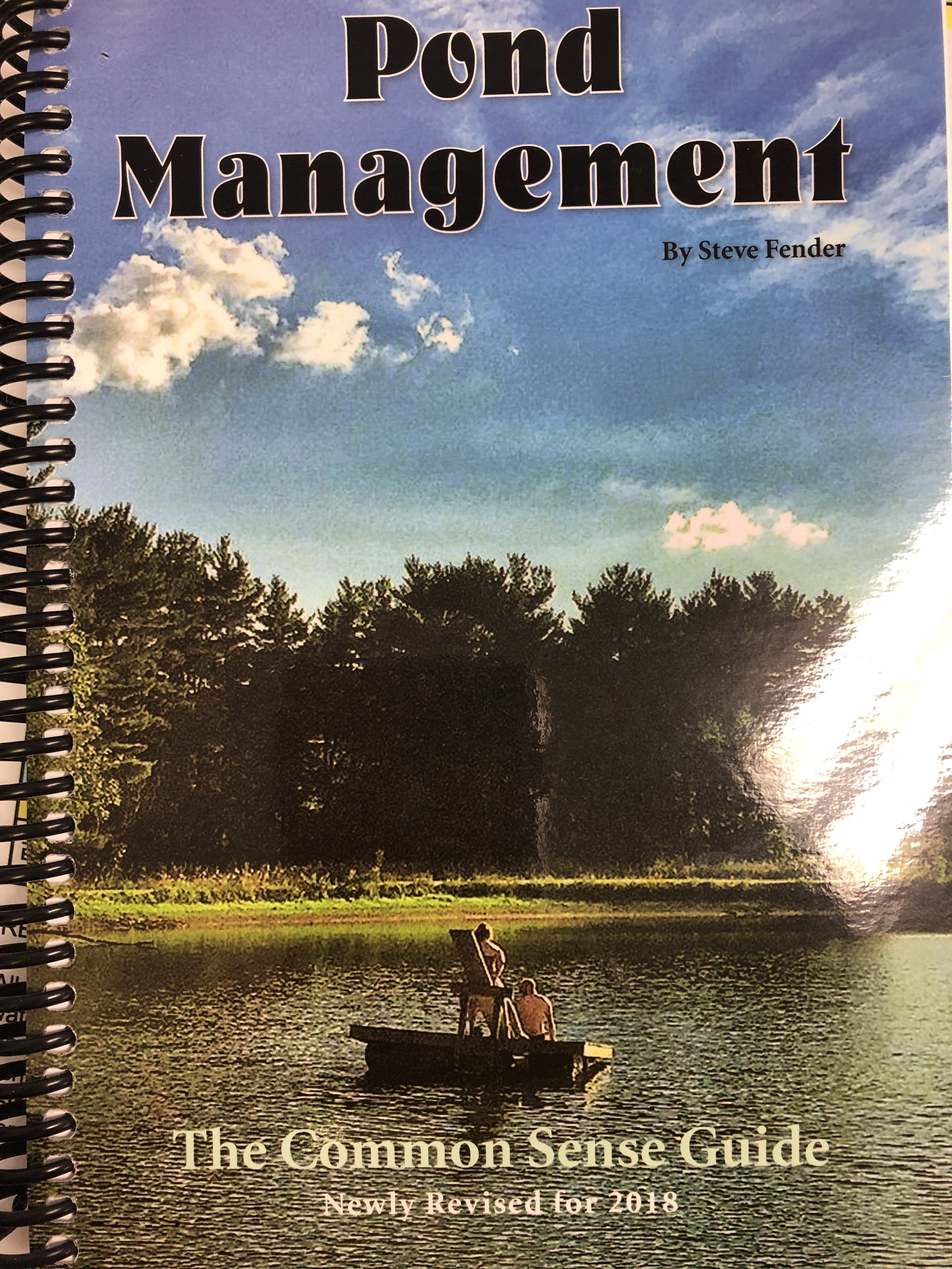
Beyond stocking, proper pond management is crucial. Aeration systems can help improve oxygen levels, especially during the hot summer months. Feeding your fish a high protein pellet feed can supplement natural forage when needed. With thoughtful preparation and the right mix of species, pond owners can set the stage for a productive and enjoyable fishing season.
For more information or to place an order, contact the Ashland Soil and Water Conservation District office at 110 Cottage Street, Ashland, OH 44805 or by calling the office at (419) 281-7645.